
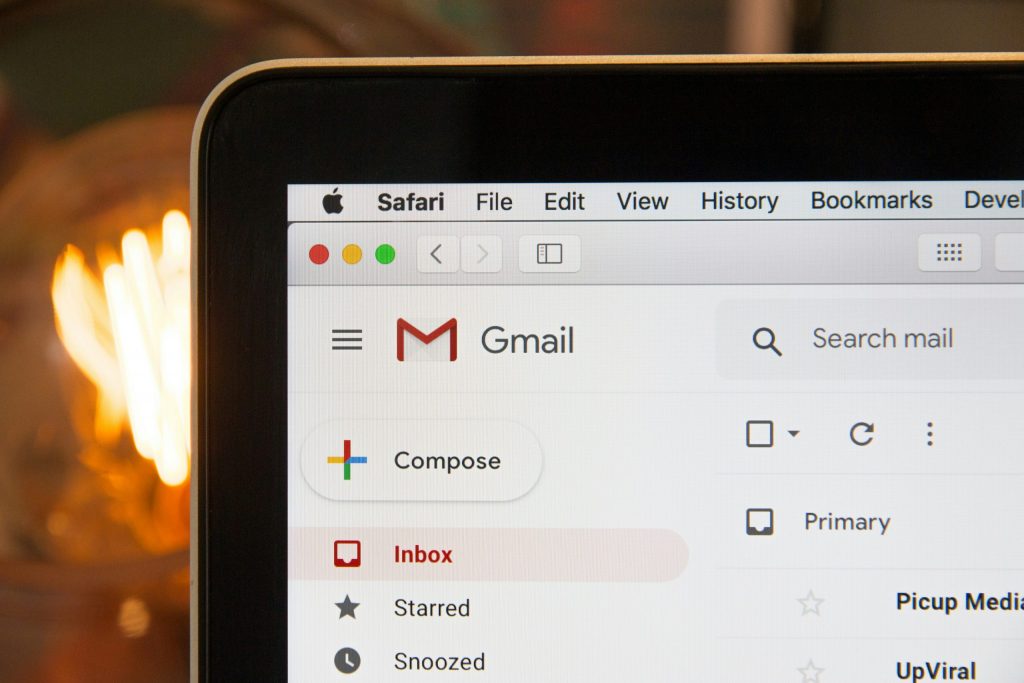
The Inbox Work Behind Food Blogging
Everyone assumes food blogging is just about the food. That part is genuinely as good as it looks, but what nobody photographs is the four hours a week spent in an inbox, which is where the actual business happens.
Get that side wrong and the enjoyable part starts to shrink, because you spend the time you meant to spend writing hunting for a message you know arrived somewhere last Tuesday.
Separate the work from everything else
The single most useful thing is a dedicated address for the blog, kept apart from personal mail entirely. Partly it looks more professional when a PR contacts you, though mostly it means work stops arriving at eleven at night alongside the family group chat. Anyone who has replied to a brand while still half asleep can understand the value of that boundary.
Keep the paper trail, because you’ll need it
Brand work runs on detail that shifts. What was agreed about usage rights, how many posts, whether the meal was comped or paid, when the invoice is due. Confirming all of it in writing protects you when someone new takes over the account three months later and remembers the arrangement differently.
It also matters for disclosure, since paid and gifted content must be clearly labelled under the advertising codes, and your written record is what establishes which applies.
Protecting what sits in there
A blogger’s inbox holds more than most people realise. Embargoed launch details, rate cards, contracts, bank details for invoicing and home addresses for sample deliveries. Using an email provider with end-to-end encryption keeps that unreadable on the provider’s servers, which is worth having when you are handling other people’s confidential launches as well as your own paperwork.
The system that survives a busy month
Elaborate setups collapse the moment things get hectic. What holds up is simple: one folder for pitches, one for live jobs, one for invoices raised. Reply to everything within two days even if the reply is a polite no, because a reputation for answering is worth more in this industry than almost anything else. The same discipline shows in the work itself, which is why our restaurant reviews can go out on time even in a month with six of them.
Worth an evening of your life
This will never be the interesting part of running a blog, and nobody starts one because they were keen to sort out their filing. It is simply the difference between a hobby that has become stressful and something that runs properly. An evening spent on it buys back a great deal of time you would rather spend eating.
A small habit worth building alongside it: keep a note of every pitch you turn down and why. It takes seconds, and when the same agency comes back six months later with a better offer, you can pick the conversation up properly rather than starting from nothing. Restaurants remember who was straightforward to deal with, and so do the people booking the work.