
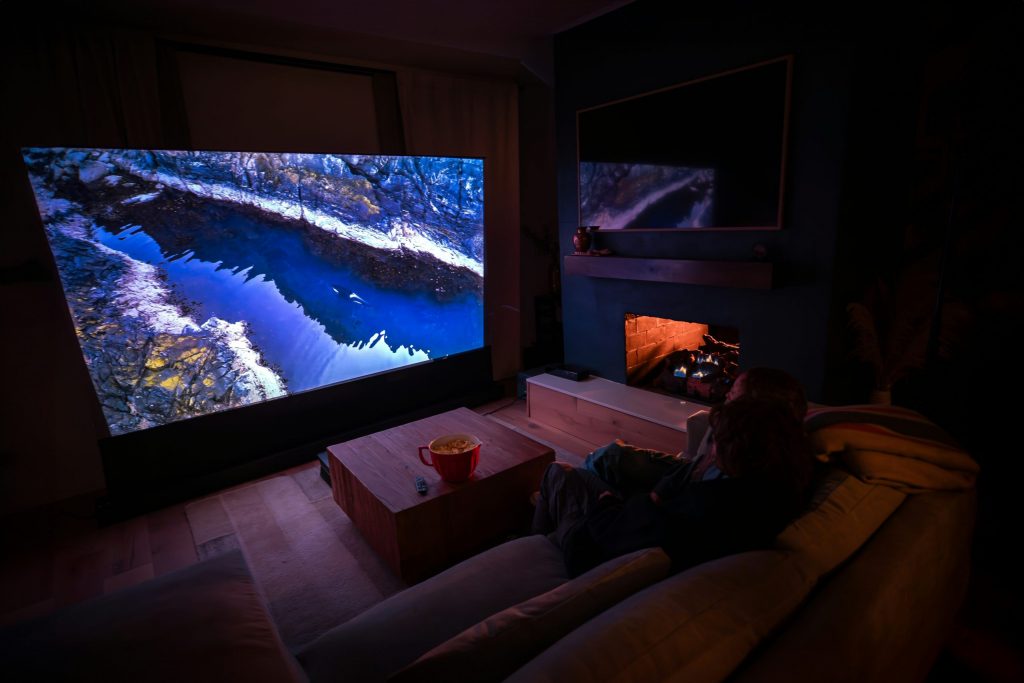
How to Build a Home Theater Setup That Actually Works
A dream home theater starts with one hard truth: gear alone does not save a bad room. People overspend on screen size, then ignore speaker placement, wall reflections, seating distance, and light control. The result looks expensive and sounds average.
A better setup starts with priorities. Ask what matters most in your room: movies, sports, gaming, music, or all four. That answer shapes every decision that follows.
Start with the room, not the shopping cart
The room decides more than the product list. A compact apartment living room needs a different strategy than a dedicated basement theater. Ceiling height, window placement, echo, and even the floor material will change how your system performs.
Before buying anything, measure the room and mark three things: screen wall, main seating position, and power outlets. Then identify what can be controlled. Curtains, rugs, wall panels, and blackout shades often improve performance faster than a random upgrade.
The first three questions to answer
- How much light enters the room during the day?
- How far will viewers sit from the screen?
- Will the system be used mostly for films or mixed entertainment?
These questions sound basic. They are not. They stop you from building the wrong setup for the wrong habits.
Screen size matters, but viewing distance matters more
Big screens are fun until they become tiring. If viewers sit too close, image flaws become obvious and long sessions feel less comfortable. If they sit too far, the picture loses impact.
For most home users, the sweet spot comes from matching the display to the room rather than chasing a bragging-rights number. A quality 65-inch or 75-inch panel in the right position will usually outperform a larger screen placed badly. Projectors can still be brilliant, but only when the room has serious light control and enough throw distance.
Resolution is only part of the story. Contrast, black levels, motion handling, and HDR performance do more to shape perceived quality than the word “8K” on a box.
Sound is where the magic really lives
A home theater becomes believable when sound locks the room in place. That is why weak audio ruins even a strong display. Explosions feel flat. Dialogue gets buried. Suspense scenes lose tension.
A real improvement starts with a proper 3.1 or 5.1 setup, not the cheapest soundbar you can find. Left, center, and right channels should be placed with intent, and the subwoofer should be tuned to support the room instead of shaking it for no reason. If the budget allows, Dolby Atmos adds height and scale, but only when the room can support it.
The convergence of modern media has forced a shift in how we design our digital stacks, as users now expect hardware to handle both cinematic experiences and mobile-first downtime. When we examine current digital context and fan behavior, it is clear that people prefer a centralized hub where they can switch between different types of engagement. The bangladeshi betting sites availability within these smart screen ecosystems highlights a growing demand for platforms that integrate directly into the user’s daily digital routine. Maintaining this level of accessibility ensures that the interface remains intuitive and easy to manage during short breaks. Such integration eventually defines the quality of a truly versatile home entertainment setup.
Smart seating, lighting, and cable discipline
This is where many builds quietly fall apart. People obsess over receivers and forget that comfort decides how long the room gets used. Good seating should support neck position, sight lines, and cup placement without turning the room into a fake cinema showroom.
Lighting deserves the same attention. The ideal setup uses layers:
- blackout control for daytime viewing
- dimmable ambient lighting for casual sessions
- low-level bias lighting behind the screen
- isolated task lighting near shelves or snacks
Cable management is not glamorous, but it affects the whole experience. Exposed wires make even premium gear feel temporary. Plan the path early, label connections, and leave room for future upgrades.
Choose sources and apps with less clutter
The best theater rooms feel simple to use. One remote, one clean signal path, one obvious input map. That matters because too many modern systems are technically powerful but annoying in daily life.
Organizing streaming boxes, gaming consoles, and media servers requires a strategic focus on speed and system reliability to maintain user engagement. When navigation becomes cluttered or apps fail to launch instantly, most viewers simply lose interest and switch to a different device. This shift reflects broader changes in digital context and mobile habits where people demand seamless transitions between their handheld devices and home entertainment hubs. The melbet app download for android integration demonstrates how users prioritize lightweight tools that offer immediate access without the friction of a bloated interface. By focusing on these agile solutions, enthusiasts can ensure their setup remains functional for quick sessions before a main feature begins. Such efficiency eventually becomes the benchmark for any successful home media ecosystem.
Spend where the upgrade is audible and visible
Not every dollar works equally hard. Some upgrades are obvious. Others are marketing theater.
Prioritize spending in this order:
- Room control
- Display quality
- Front speakers and center channel
- Subwoofer
- Receiver or processor
- Seating and lighting
- Secondary accessories
That order is not absolute, but it protects buyers from a common mistake: buying impressive specs before building a room that can reveal them.
A dream setup should feel effortless
The best home theater does not scream about itself. It disappears when the film starts. The room goes dark, dialogue stays clear, bass lands without turning muddy, and no one reaches for settings every ten minutes.
That is the target. Not the most expensive system. The one people keep using, night after night, because it simply works.