
How Online Casino Apps Changed the Way People Play
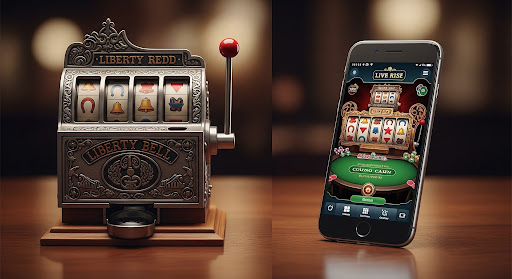
Casino entertainment did not jump straight from a lever to a phone. It moved through mechanical reels, electromechanical cabinets, video screens, RNG-based digital games, live-dealer studios, and mobile lobbies built for short sessions. Charles August Fey’s three-reel Liberty Bell machine in San Francisco is usually treated as the start of the modern slot-machine design, and California’s historical marker places Fey’s coin-operated three-reel invention in 1895. More than a century later, Evolution markets live roulette, blackjack, baccara,t and game-show-style products for online operators. The lever vanished. The appetite for quick decisions did not.
The First Reels Made the Habit
The Liberty Bell mattered because it simplified gambling entertainment into a repeatable motion. Insert a coin, pull the lever, watch three reels stop, and read the result. Its symbols, namely bells, horseshoes, card suits, and simple icons, created a visual language that later machines copied for decades. That format worked because the result was fast and public; a player standing near the machine could understand the win condition without a rulebook. Modern slots still borrow that same grammar, even when the screen now shows cascading reels, multipliers, and animated bonus rounds instead of metal stops.
Electricity Changed the Floor
Electromechanical machines added lights, sound, larger payout,s and a different pace to casino floors. Bally’s Money Honey, produced in the 1960s, is often cited as the cabinet that pushed slots into a more automated, louder era. The button began to matter as much as the lever. That transition changed the way players interacted with the game: less weight on the arm, more attention on lights, meters, and coin trays. It also made slot floors easier to scale because casinos could place more machines, process more play, and build entire sections around repeated short sessions.
Video Slots Broke the Reels Open
The next big shift came when video screens replaced physical reel limits. Once results could be shown digitally, developers could add more paylines, bonus screens, wild symbols, scatter triggers, and themed math models without rebuilding a mechanical cabinet. That changed the design problem. Instead of asking how three reels should stop, studios started asking how a 40-second bonus round should feel, where the volatility should sit, and whether the base game should drip small wins or hold tension for a feature. The physical reel had limits; the screen made the game wider.
Online Casinos Turned Slots Into Libraries
The internet changed casino entertainment again by turning a floor into a searchable lobby. A player looking at online casino India now expects categories, providers, RTP details, filters, demo modes, jackpots, table games, live casino rooms, and fast payment options in a single account. The casino context matters here: online slots are not just copies of old machines; they can be sorted by theme, volatility, paylines, bonus mechanics, and provider. A user can move from a classic fruit slot to a Megaways-style game, then to live roulette, without crossing a carpeted floor. The challenge is no longer access; it is making the lobby readable.
RNG and Testing Became the Trust Layer
Digital casino games need a trust layer because the player cannot see the gears, reels, or a dealer’s hand in the same way. Regulators and testing houses focus on game rules, random number generators, and whether software behaves as advertised. The Malta Gaming Authority describes Type 1 casino-style games as games of chance played against the house, with outcomes determined by a random generator. The UK Gambling Commission also requires licensees to submit game and RNG test results through its games register for remote gambling and software. Fairness moved backstage, but it did not disappear.
Live Casino Brought the Table Back
Live casino added another turn in the timeline by putting real dealers back on the screen. Evolution’s own materials list live roulette, blackjack, baccarat, poker, game shows, and first-person games, with studio delivery built for online and multi-channel operators. That changed the mood of digital casino play. A slot can be handled in silence, but a live blackjack table has pace, table limits, dealer interaction, and a camera view that gives the player a stronger sense of place. The game still runs on a device, but the old table-room rhythm comes through the feed.
Downloads Made the Casino Pocket-Sized
The last-but-one section is about mobile access, because the casino lobby now follows the player rather than waiting on a floor. A user checking MelBet download before opening a casino section will usually care about fast installation, account login, visible balance, game categories, and whether slots, roulette, blackjack, and live dealer tables load cleanly on the device. Mobile casino play is built around shorter sessions than a long evening at a resort casino, so the interface has to display rules, stake controls, and recent results without clutter. Good mobile design keeps the cashier close yet unobtrusive. The best session is the one that the player can start and stop without confusion.
The Old Machine Still Echoes
Digital slots may look far removed from Fey’s three-reel cabinet, but the core appeal is still recognizable. A player wants a clear stake, a visible result, enough suspense to make the next spin feel alive, and enough information to know what happened. Online casinos changed the scale, live studios changed the atmosphere, and mobile apps changed the location. The old machine gave players one lever and three reels; the new lobby gives them hundreds of tiles, but the decision still happens one round at a time.