
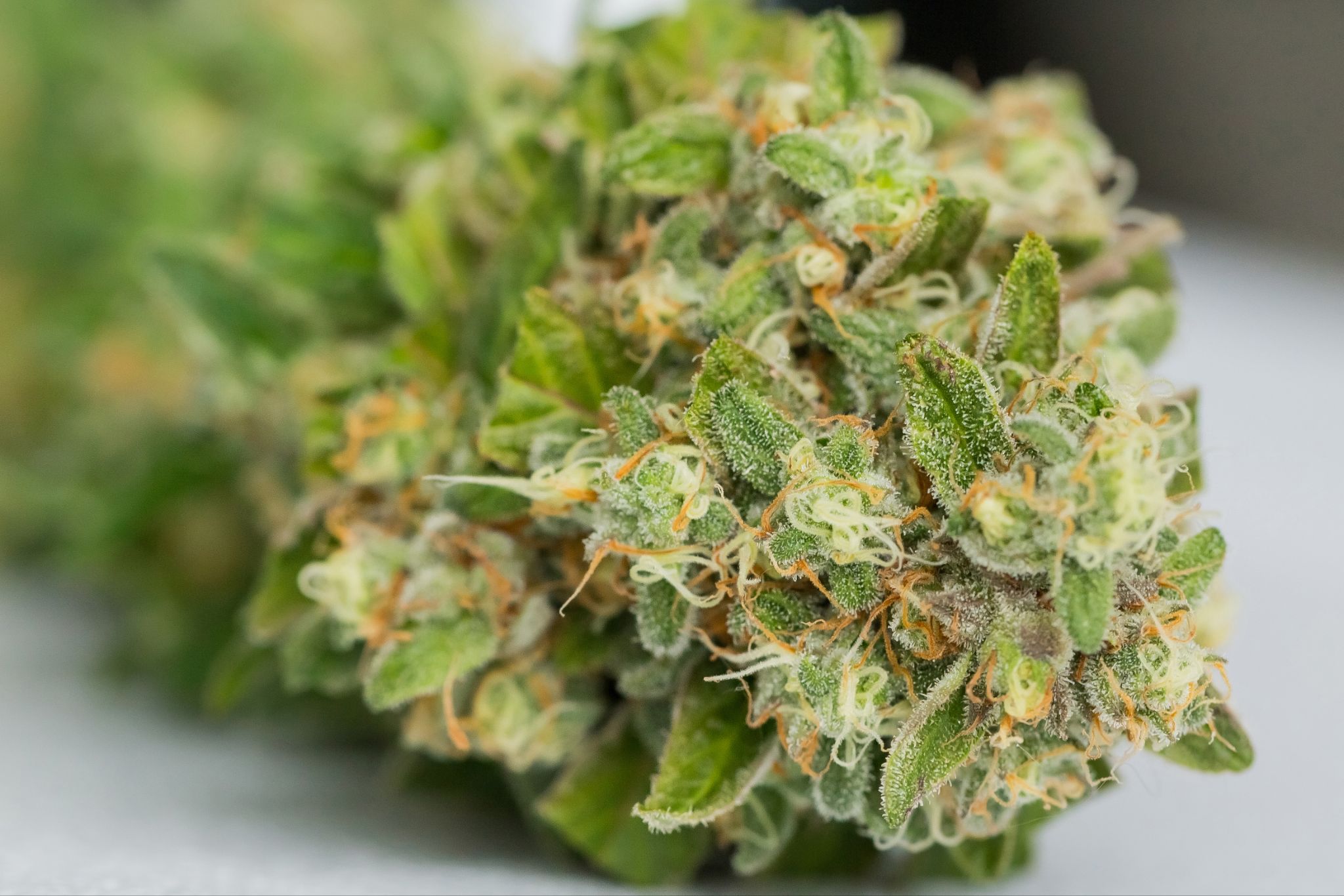
CBD, short for cannabidiol, is a compound found in the cannabis plant. It is different from THC, another compound that can cause a high. CBD is used in different products, including oils, capsules, creams, and balms. However, these products can vary in their ingredients, strength, and intended use.
Understanding these differences can help you make sense of product labels and decide what information matters most. Some products contain CBD alongside other compounds from the cannabis plant, while others use a more purified form. The rules also depend on the type of product and how it is meant to be used.
Before choosing a CBD product, it helps to look beyond its name or packaging. Knowing how to read the label, understand lab reports, check UK requirements, and consider safety can help you make a more informed decision.
1. Understand the Different Types of CBD Products
CBD comes in several forms, and each has its own features. Oils and drops are usually taken by mouth, while capsules contain a set amount of CBD in each capsule. Some products add CBD to food, including CBD gummies, although these products are subject to specific food regulations.
Creams and balms are made for use on the skin. They may contain CBD alongside ingredients such as plant oils, waxes, and moisturising agents. The other ingredients matter too, particularly if you have sensitive skin or need to avoid certain substances.
You may also come across the terms full-spectrum, broad-spectrum, and CBD isolate. These describe different types of CBD ingredients. Full-spectrum products may contain several compounds from the cannabis plant, including permitted levels of THC where applicable. Broad-spectrum products are made to contain several plant compounds, usually with THC removed. CBD isolate is a more purified form of CBD.
The exact contents can vary between products, so these terms should not be the only thing you consider. Check the ingredient list and any available test results to understand what a product contains.
2. Read the Label and Check the Ingredients
A product label should make it clear what the product contains and how it is intended to be used. Start by checking the amount of CBD listed. This may refer to the whole bottle or pack rather than a single serving, so read the details carefully.
For example, a bottle may contain a total amount of CBD divided across several servings. Knowing the difference helps you compare the stated amounts without confusing the total content with the amount in one serving.
Next, look at the full ingredient list. Check for added flavours, oils, fragrances, and other substances that may affect whether the product is suitable for you. If an ingredient is unfamiliar, look it up or ask the seller for more information.
Pay attention to the claims made on the packaging and in product descriptions. Promises of guaranteed results or claims that CBD can cure an illness should raise concerns. In the UK, food products cannot make unauthorised health claims or claim to treat or prevent disease. The UK rules on CBD health claims set out the restrictions that apply to advertising these products.
Clear labels and realistic descriptions make it easier to understand what is being offered. If key details are missing, do not assume the product meets the standards you need.
3. Understand Independent Lab Reports
Some CBD products come with a certificate of analysis, often called a COA. This is a laboratory report showing the results of tests carried out on a sample. Depending on the tests performed, a report may show the amount of CBD found, the levels of other cannabinoids, and whether certain contaminants were detected. The information included can vary, so it is worth checking which tests were actually carried out.
Make sure the report matches the product you are considering. The product name, batch number, and test date can help you check this. It is also useful to see which laboratory carried out the testing.
A report can help you understand the contents of a sample, but it does not prove that a product is suitable for everyone or that it has legal approval. It also cannot confirm claims that are not covered by the tests.
If a report is difficult to understand, focus on whether it clearly identifies the product and lists the test results. You can ask the seller to explain any unclear details before deciding whether the information is enough for you.
4. Know Which UK Rules Apply
The legal requirements for CBD depend on the type of product, its ingredients, and its intended use. Food products, cosmetics, and other products may fall under different rules, so it is important not to treat them all in the same way.
In Great Britain, CBD extracts and foods containing CBD are generally treated as novel foods. They need the required authorisation before they can be placed on the market. A product appearing on a list linked to a novel food application does not automatically mean it has received full authorisation.
Other requirements may cover product safety, labelling, ingredients, and advertising. Sellers must follow the rules that apply to their products and must not mislead people about what they contain or what they can do.
You should not assume that a product is legally compliant simply because it is available online or sold by a retailer. The UK government's CBD guidance covers the requirements for CBD products, including the rules on novel foods.
Rules may differ in Northern Ireland and other countries. If you live outside Great Britain or plan to travel with a CBD product, check the local requirements before making a decision.
5. Consider Safety Before Use
CBD can cause side effects and may interact with certain medicines. Its suitability can depend on a person's circumstances, the product's ingredients, and the amount used.
The UK Food Standards Agency (FSA) advises healthy adults not to consume more than 10 mg of CBD per day as a precaution. It also advises people who are pregnant or breastfeeding, trying to conceive, under 18, or taking medication to avoid CBD unless under medical direction.
This is precautionary advice, not a guarantee that amounts below 10 mg are safe for everyone. If you take prescribed medicine or have questions about possible interactions, speak with a healthcare professional before using CBD. Do not stop or change prescribed treatment to use a CBD product.
Follow the instructions on the label and keep the product in its original packaging. Store it out of reach of children and pets. If you are unsure whether CBD is suitable for you, getting professional advice is a safer choice than relying on claims made in product descriptions.
Making an Informed Choice
Choosing a CBD product starts with understanding its contents, intended use, and legal status. Read the label, check available laboratory reports, and be cautious of claims that promise results or make unsupported health statements. These details can help you assess the information available and decide what questions still need answers.
If you have concerns about safety or possible medicine interactions, speak with a healthcare professional before use.
Disclaimer: CBD products are not intended to diagnose, treat, or prevent any diseases.