

There is a particular kind of Yorkshire moment that never quite survives the camera.
You know the one. The train leaves Leeds just as the weather decides not to commit to either sunshine or rain. The window catching a smear of moorland green. The roast arrived at a pub table with that first little cloud of steam. Chips on a Whitby bench while the gulls behave like organised crime. A bakery bag on the passenger seat after an unnecessary but completely justified stop in Malton.
You take the photo anyway, obviously. Then you look at it later and realise the thing you loved about the moment is missing.
That is why this idea works.
Not as a replacement for photos. Not as some weird gimmick for people who have forgotten how to enjoy a meal without involving a screen. More as a way of giving a place, a meal, or a fleeting travel moment a second life, one that feels more like a keepsake than just another image sitting unloved in your camera roll beside screenshots, accidental selfies and one blurry picture of your foot on a station platform.
The best food-and-travel sites understand that the point is never only where you went. It is how it felt. The atmosphere. The timing. The mood. The thing you nearly missed. Yorkshire trips are especially good at this because so much of their charm sits in texture rather than spectacle. A lot of the best bits are not huge landmarks. They are the in-between bits. The road into Haworth. The light over the Dales. A Sunday lunch that turns out to be far better than it needed to be.
That is exactly the sort of material an image generator can make more interesting.
A tool like joi generator makes sense here because Joi’s own site describes the platform as a space for AI-powered chat, photos and videos, while its chats page says users can select a character to receive messages, selfies and videos. Strip away the marketing language and what that really means is simple: it is built around turning mood, conversation and visual ideas into something more stylised than an ordinary assistant can manage.

And if you use it with a little taste, that can be genuinely fun.
1. Turn the train window into the postcard it should have been all along
Train travel through Yorkshire is already half cinema.
The trouble is, the phone rarely catches it properly. The Settle-Carlisle line looks vast in real life and oddly flat on screen. The approach into York can feel almost theatrical when the sky is doing something dramatic, but the photo you take from your seat makes it look like you were commuting to a warehouse. The mood disappears.
This is where a generator becomes useful, not because it gives you something “better” than reality, but because it lets you translate the feeling of the journey instead of just documenting it badly.
Say you are on a rainy train heading through the Calder Valley. Instead of keeping yet another grey photo you will never revisit, you can turn the scene into something more evocative:
Create a vintage railway poster inspired by a rainy Yorkshire train window, with hills, mist and a warm carriage light.
Or:
Turn this journey into a slightly faded 1970s British Rail postcard with moorland colours and soft afternoon light.
That is a completely different way of remembering a trip. You are no longer only saving evidence that you were there. You are shaping the mood into something worth looking at later.
And to be honest, Yorkshire lends itself brilliantly to this sort of thing. The weather alone is practically doing half the art direction.
2. Give Sunday lunch the treatment it deserves
A proper Sunday lunch is not just food. It is a theatre.
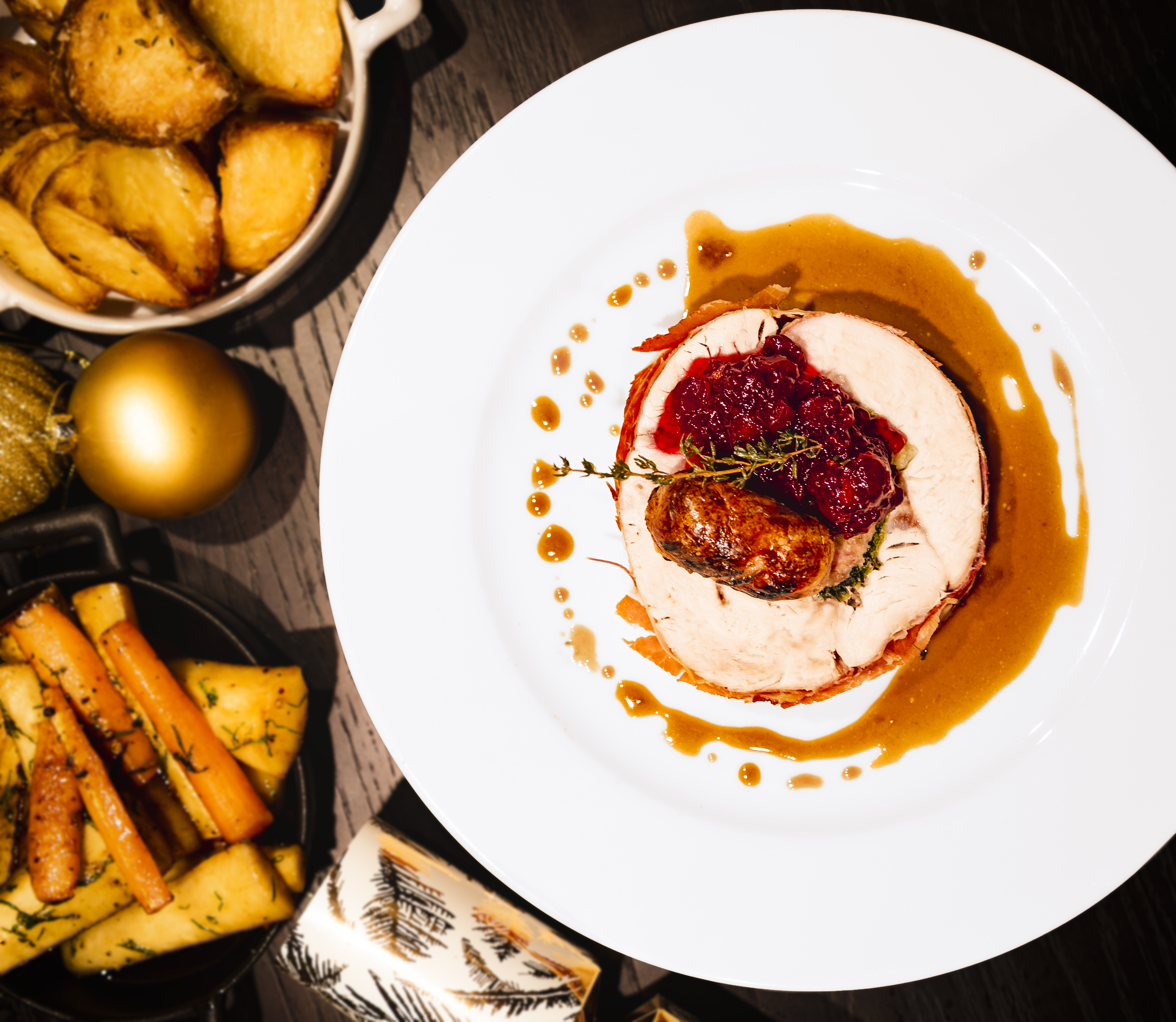
The plate lands. Somebody quietly judges the roast potatoes. The Yorkshire pudding either arrives like a glorious architectural achievement or disappoints the whole table. Gravy gets discussed with more seriousness than local politics. Even people who say they “aren’t that hungry” somehow end up clearing everything.
And yet most Sunday lunch photos are dreadful.
Too dark. Too close. Steam on the lens. One parsnip looked inexplicably aggressive. It rarely captures the thing you actually want to remember, which is the full mood of the meal, the comfort of it, the room, the lazy pace, the little sense that the whole day has softened around the table.
That is where generation gets interesting.
Instead of trying to make your phone shot behave like an editorial food image, use it as inspiration. Feed the scene back in with the details that mattered: oversized Yorkshire pudding, glossy gravy, thick-cut roasties, pub window light, old beams overhead, maybe a pint of bitter catching the edge of the frame.
You are not trying to deceive anyone. You are trying to create the kind of image that actually matches the memory in your head.
A good Sunday lunch deserves better than being buried between train tickets and parking reminders in your photos app.
3. Use the weather, because in Yorkshire, the weather is usually the main character
Some places are built around landmarks. Yorkshire often feels built around conditions.
The sea at Whitby when the light goes metallic. Harrogate in drizzle. A lane in the Dales with stone walls and one sheep standing in exactly the right place like it has been hired for the shot. The weather here is not background. It is the entire emotional architecture.
That makes it perfect for stylised travel images.
On a clear day, you can lean into the romance:
Make a glossy travel poster of a summer drive through the Yorkshire Dales, golden grass, dry-stone walls and deep blue sky.
On a moody day, you can go the other way:
Create a dramatic postcard of Whitby in sea fog, gulls overhead, old rooftops and a cold North Sea palette.
Some of the best travel memories are not attached to huge events at all. They are just weather plus place plus timing. A generator is useful because it can help you keep exactly that combination alive.
And yes, Yorkshire gives you plenty to work with. Few places look this convincing in both sunshine and mild atmospheric menace.
4. Do not only capture the destination, capture the little bits that made the day
One of the nicest things about travelling around Yorkshire is that the day often turns on tiny details.
The bakery bag on the passenger seat after a stop you had not planned. The cup of tea at a station café that somehow tastes better because you are about to miss your connection. The packet of chips on the promenade. The lemon tart you said you would “just share” and then didn’t. The pub dog under the table. The wonky sign outside the antiques place. The paper napkin with gravy damage on it.
Those details are what make the trip yours.
This is where image generation can become more personal and less obviously “travel content.” You can create a set of visual keepsakes around the objects and fragments that a normal travel article would never lead with but that real people remember forever.
Try something like:
Turn a paper bag of pastries on a rainy Yorkshire car seat into an illustrated food-and-travel postcard.
Or:
Create a nostalgic British seaside print inspired by chips, wind, gulls and a grey bench in Whitby.
These are not grand scenes. That is why they work. They feel specific. They belong to the day, not to a brochure.
And frankly, the more specific the prompt, the better the result usually feels. “Beautiful Yorkshire landscape” is forgettable. “Sunday lunch gravy boat beside half-drunk ale in a moorland pub with rain on the window” is something else entirely.
5. Use it to build a visual diary, not just one-off pretty pictures
This is probably the smartest way to use the whole thing.
Do not think of it as producing one nice image and moving on. Think of it as building a little visual diary around a weekend, a road trip, or even one very good day out.
You could create a set of four images from the same trip:
one for the train journey,
one for the first coffee stop,
one for the Sunday lunch,
and one for the walk after.
Suddenly you have something much closer to an illustrated memory than a phone gallery full of disconnected moments.
A Yorkshire weekend in this format might look like this:
- a retro railway poster for the morning train
- a warm café-card style image for the bakery stop
- a Sunday lunch postcard for the pub
- a moody landscape print for the late-afternoon walk home
It has shape. It feels intentional. It tells a story.
And importantly, it still leaves room for the actual day. That is the balance worth keeping. A good generator should add to the memory, not replace the experience with endless tinkering. There is no point creating ten artificial versions of a roast while the real roast is going cold in front of you.
A quick guide to what works best
| Moment | Best style to generate | Why it works |
| Train journey through Yorkshire | Vintage rail poster or faded postcard | Captures the mood better than a flat window photo |
| Sunday lunch in a pub | Editorial food postcard or illustrated menu-style image | Holds onto atmosphere, not just the plate |
| Seaside stop in Whitby or Scarborough | Retro coastal print | Works brilliantly with wind, gulls and weather |
| Bakery or café stop | Soft magazine-style still life | Turns small details into part of the story |
| Countryside drive or walk | Cinematic travel print | Makes the landscape feel as big as it felt in person |
The best part of this, really, is that it makes you pay attention differently.
You stop looking only for “good photos.” You start noticing scenes, textures, moods, little absurd bits of beauty. The gravy is shining properly. The train seat fabric. The low cloud over a field. The gold edge of a tart in a bakery window. These things are not random once you start seeing them properly. They become material.
And that, to me, is the point.
Yorkshire never really needed help being photogenic. What it needed, if anything, was a better way of holding onto the bits that ordinary photography tends to flatten. The atmosphere. The humour. The warmth. The gentle grandeur of a place that can go from train-window poetry to one of the best Sunday lunches of your life within an hour and a half.
Used properly, a generator can do that.
Not with any magic.
Not with any faff.
Just by turning a good day into something worth revisiting.