
Nobody reads a food blog hoping to be told to swap their Sunday roast for a salad. The roast stays. So do the puddings, the gravy and the second helping of roast potatoes.
The trick is to work on the other side of the scales. If you love your food, the answer is to move more in ways you’ll keep doing, rather than eating less of what you love.
Here’s how to make that work in a normal week, without a gym membership you’ll stop using by March.
Start with the target, because it’s smaller than you think
The NHS asks adults for at least 150 minutes of moderate activity a week, or 75 minutes of vigorous activity. It also suggests muscle-strengthening work on two days and spreading the rest over four or five days.
Put that way, 150 minutes is a little over 20 minutes a day. That’s one brisk walk, or two games of something you enjoy, against a whole week of good meals.
Most people who feel they “can’t keep up” with exercise are picturing something far bigger. Start from the real number and it stops looking like a second job.
Walk off the big meals
The easiest win comes straight after you’ve eaten. A 2022 review in the journal Sports Medicine, led by researchers at the University of Limerick, pooled seven studies on what people did after eating.
Light walking after a meal did more for blood sugar levels than sitting down or standing still. You don’t need a hike. A lap of the village between the main course and pudding counts.
It’s also the most sociable fix on this list. Get everyone out of their chairs for 15 minutes and the crumble will taste better for the wait.
Choose exercise you’d book like a table
The exercise people stick with is the exercise they look forward to. Running on a treadmill alone is fine if you love it. Most food lovers would rather do something that ends with a chat and a cuppa.
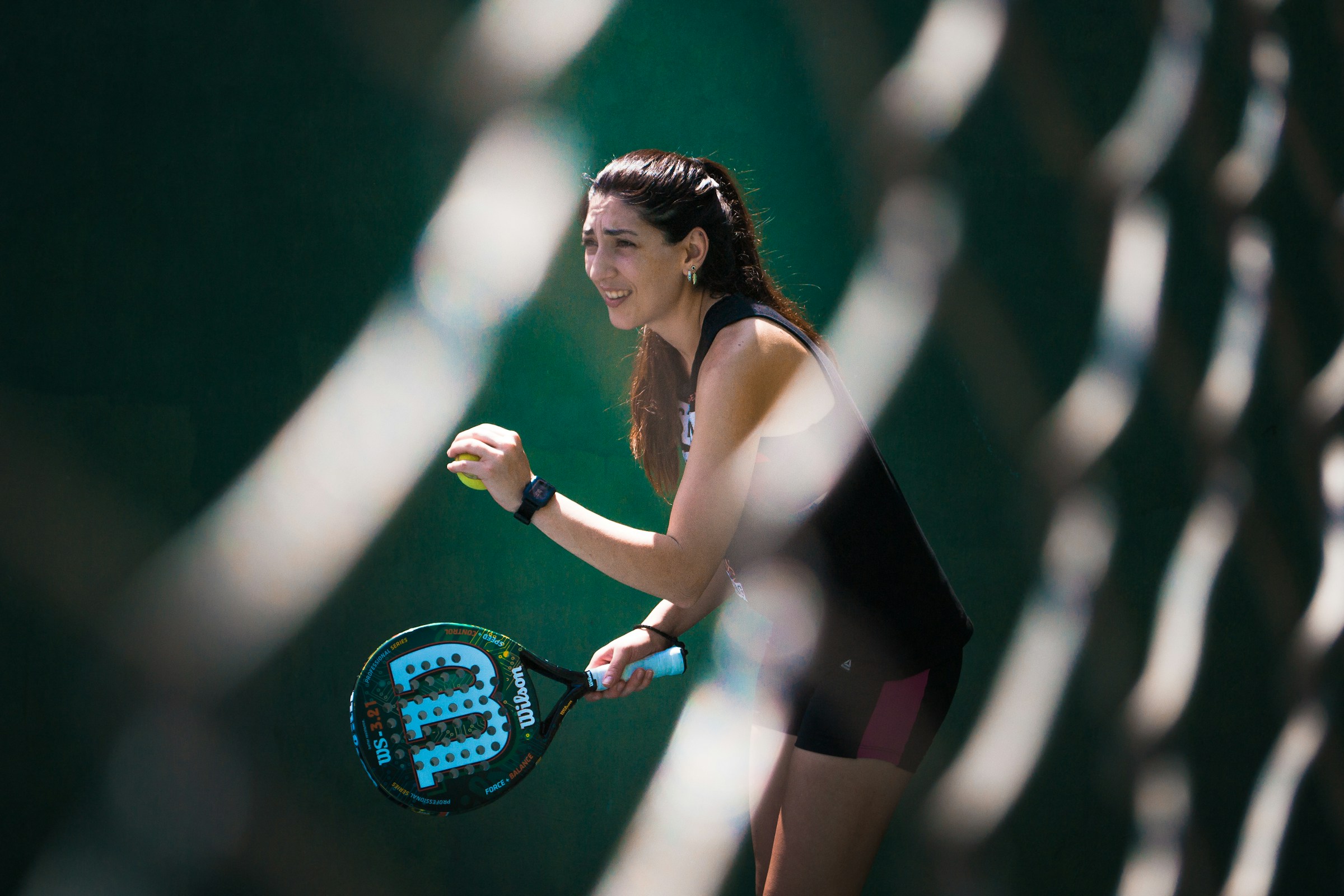
That’s a big part of the reason padel has spread so fast in Britain. It’s a doubles racket game played on a small court with glass walls, a little like tennis crossed with squash. LTA figures put the number of people playing in Britain at around a million.
Most people see why it’s caught on within one session. The serve is underarm and the walls keep the ball in play, so beginners are rallying within minutes instead of chasing balls.
Why padel suits people who love their dinner
It’s a proper workout, even if it doesn’t feel like one. Studies of match play put players’ heart rates at around 70 to 80% of their maximum for most of a game.
You’re always moving, turning and stretching for the ball, but in short bursts with breaks between points. That suits people who’d struggle with a long run.
Because it’s always played in pairs, you’ve got three other people expecting you on court. That makes it far harder to talk yourself out of a cold Saturday morning.
And there’s always somewhere to go afterwards. Plenty of groups book a game and then a table. The fry-up or Sunday lunch becomes part of the plan, not something to feel bad about.
Don’t let Yorkshire weather cancel your game
Outdoor sport in Yorkshire comes with a familiar problem. You book a game, the sky turns grey, and by the time you’ve found your trainers the court is a puddle.
Covered courts solve that. A roof keeps the rain and the worst of the wind off, so you can play right through the winter. That’s when most of us are eating the heaviest food.
If you’d like to try it, you can find your local padel court here. You can filter by indoor, outdoor or covered courts and search from your own location.
Eat for the game, not against it
The NHS Eatwell Guide is a good place to start. It says you don’t need to get the balance right at every meal, just over a day or even a week. Fruit and vegetables should make up just over a third of what you eat. That’s easy when there’s a heap of veg next to the roast.
Balance works best when food and exercise help each other. A lighter meal a couple of hours before you play usually sits better than a full plate. A big glass of water helps more than you’d expect.
Try not to treat a game as permission to eat twice as much afterwards. And don’t think of a big meal as something you have to earn first. Both habits turn food into a sum, and that’s no fun for anyone who loves cooking.
Even a food influencer who eats out for a living still has to look after their health between restaurant reviews. If they can fit a few games a week around a diary full of tasting menus, the rest of us can manage one.
Your week, balanced
Pick one walk after your biggest meal, one game you’ll look forward to and one meal out with the people you played with. That’s most of your 150 minutes covered without counting a single calorie.
Then make the Yorkshire puddings exactly as big as you like.