
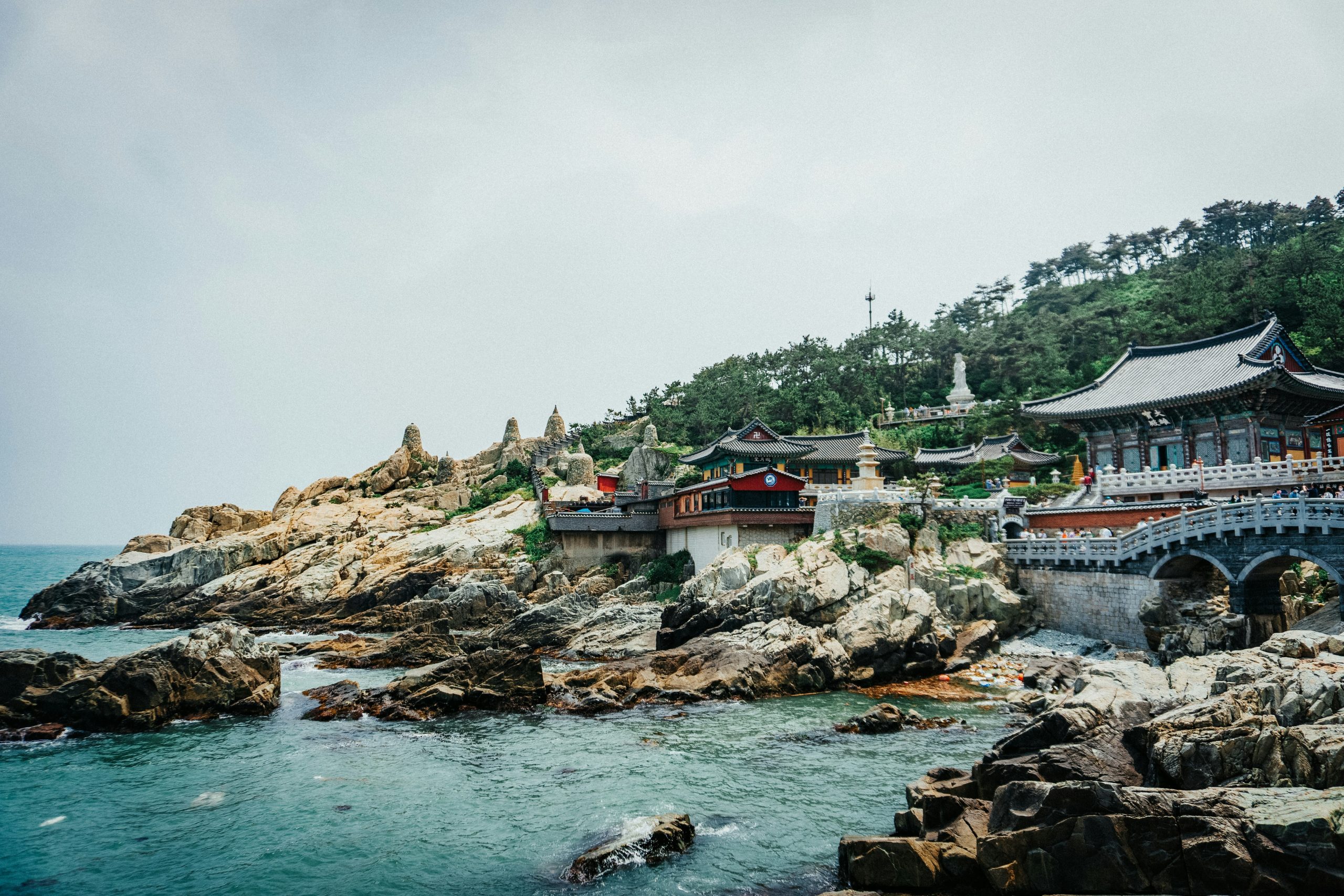
First Time Visiting South Korea: What You Need to Know Before You Go
Planning your first trip to South Korea? This fascinating country blends ancient traditions with cutting-edge technology, creating an experience unlike any other destination in Asia. Whether you’re drawn to the bustling streets of Seoul, the serene temples tucked into mountains, or the mouthwatering cuisine, knowing what to expect will help you make the most of your adventure. Here’s everything first-time visitors should understand before stepping off that plane in the Land of the Morning Calm.
Understanding Korean Culture and Etiquette
South Korea maintains strong cultural traditions that might differ significantly from what you’re used to at home. Respect for elders is deeply ingrained in society, so you’ll notice people bowing as greetings and using two hands when giving or receiving items from older individuals. Removing your shoes before entering homes, some restaurants, and traditional accommodations is mandatory, not optional.
Public displays of affection are generally frowned upon, though you’ll see plenty of young couples in matching outfits. Speaking loudly in public spaces, especially on public transportation, is considered rude. Don’t be surprised if locals seem reserved at first, this is normal politeness rather than unfriendliness.
Tipping isn’t expected or practiced in South Korea, which might feel strange if you’re from a tipping culture. Service charges are included in your bill, and attempting to tip might actually confuse or embarrass service staff.
Getting Around the Country
South Korea boasts one of the world’s most efficient transportation systems. The subway networks in Seoul and Busan are clean, affordable, and have signs in English, making navigation straightforward even if you don’t speak Korean. Purchase a T-money card at any convenience store, it works on subways, buses, and even taxis in most cities.
The KTX high-speed train connects major cities and reaches speeds of 300 kilometers per hour, making day trips entirely feasible. You can travel from Seoul to Busan, the country’s second-largest city, in just under three hours. Booking tickets online in advance often provides better rates than purchasing at the station.
Taxis are reasonably priced and plentiful, though finding an English-speaking driver can be challenging. Having your destination written in Korean or using a translation app will save considerable frustration. Many visitors find that South Korea group tours offer excellent value for exploring multiple destinations without the stress of navigating independently, especially when visiting rural areas or historical sites with limited English signage.
Money Matters and Practical Considerations
South Korea is increasingly cashless, with card payments accepted almost everywhere, including street food stalls and small shops. However, carrying some cash is still wise for traditional markets and rural areas. ATMs are widely available, but not all accept foreign cards, look for machines at convenience stores or specifically marked as “Global ATMs.”
The Korean won fluctuates, so check current exchange rates before your trip. Generally, South Korea sits in the mid-range for travel costs, more expensive than Southeast Asia but more affordable than Japan. Budget around 50,000-100,000 won per day for meals and local transportation, excluding accommodation.
Credit cards are widely accepted, but inform your bank of your travel plans to avoid having your card frozen for suspicious activity. Mobile payment apps like KakaoPay are ubiquitous among locals but require Korean bank accounts or phone numbers.
Food Adventures and Dietary Considerations
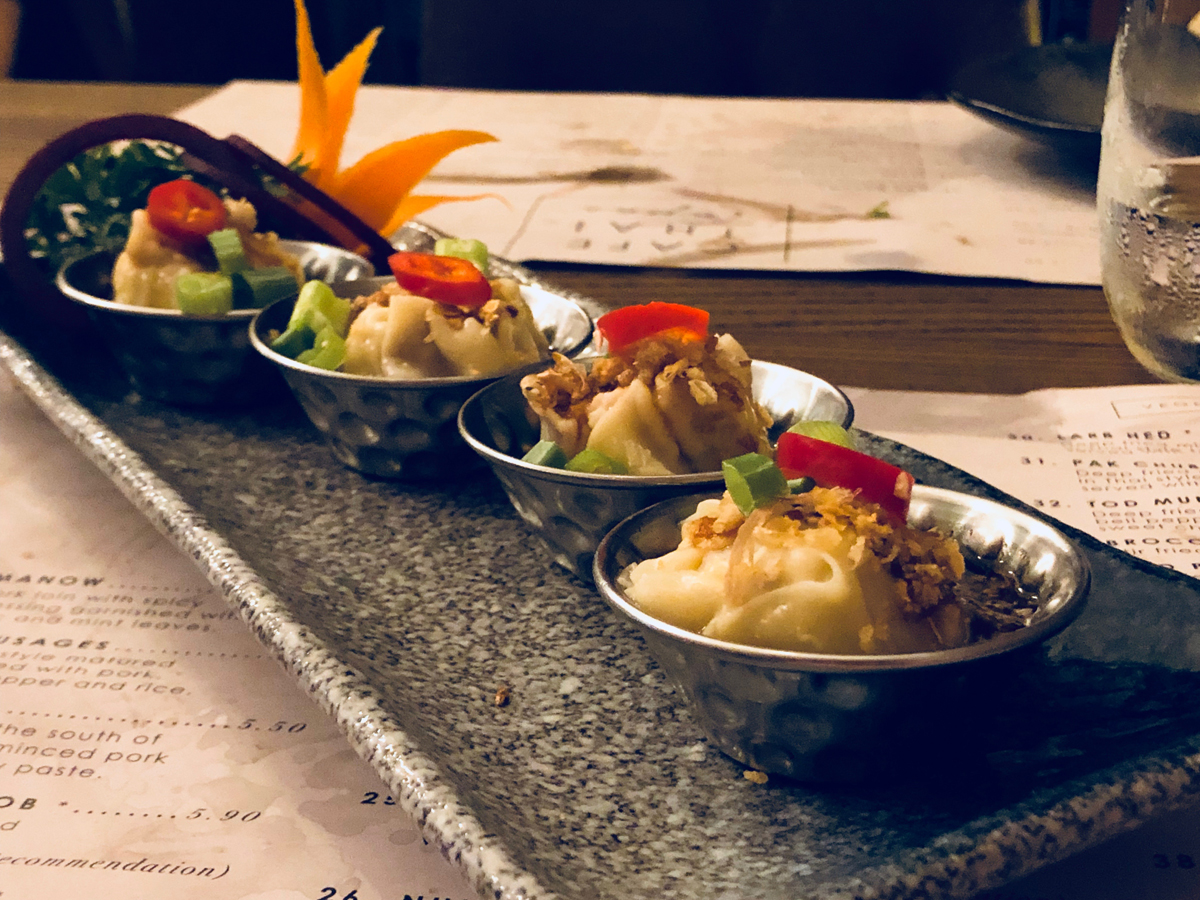
Korean cuisine extends far beyond Korean BBQ, though you absolutely should try grilling your own meat at a table-side grill. Every meal comes with banchan, small side dishes that are complimentary and often refillable. Rice and kimchi accompany nearly everything, and sharing dishes is the norm rather than ordering individual plates.
Vegetarians and vegans might face challenges, as meat-based broths and fish sauce appear in many dishes that seem plant-based. Learning key phrases like “고기 없이” (gogi eopsi, without meat) helps, though cross-contamination isn’t always understood the same way as in Western countries.
Street food is safe, delicious, and incredibly affordable. Don’t miss tteokbokki (spicy rice cakes), hotteok (sweet pancakes), and the various offerings at traditional markets. Convenience stores offer surprisingly good ready-to-eat meals perfect for budget travelers or late-night snacks.
Connectivity and Language Barriers
Staying connected is essential, and South Korea offers some of the world’s fastest internet speeds. Rent a portable WiFi device at the airport or purchase a tourist SIM card, both options are affordable and provide unlimited data. Free WiFi is available in most cafes, restaurants, and public spaces.
English proficiency varies significantly. In Seoul’s tourist areas and among younger generations, you’ll find English speakers, but outside major cities, communication becomes more challenging. Download translation apps like Papago, which works better for Korean than Google Translate. Learning basic Korean phrases shows respect and often results in warmer interactions.
Making the Most of Your Visit
South Korea rewards curious travelers who venture beyond the obvious tourist spots. Each season offers distinct advantages: spring brings cherry blossoms, summer means festivals and beaches, autumn provides stunning foliage, and winter opens up skiing and unique cold-weather experiences.
Plan your itinerary with realistic expectations about distances and time. While the country is small, trying to see everything in one trip leads to exhaustion rather than enjoyment. Focus on a few regions and explore them thoroughly rather than rushing through a checklist of landmarks. With proper preparation and an open mind, your first visit to South Korea will likely be the first of many.