
Image Credit: Unsplash
A brilliant menu can still fail if ingredient costs, staffing levels and customer demand don’t support it. For chefs and restaurant owners, commercial discipline protects the creative work that gives a venue its identity. The challenge is to translate ambitious ideas into dishes that can be produced consistently, priced sensibly and served without exhausting the team.
That calls for clear revenue assumptions, frequent financial reviews and careful choices about where creativity creates genuine value.
Creative Vision Versus Operational Viability
Every new dish should pass a practical test before reaching the menu. Calculate its ingredient cost, preparation time, equipment needs and likely waste, then assess whether the kitchen can deliver it during a busy service. Guidance on balancing creativity and profitability also highlights the value of protecting a restaurant’s identity whilst keeping close control of costs.
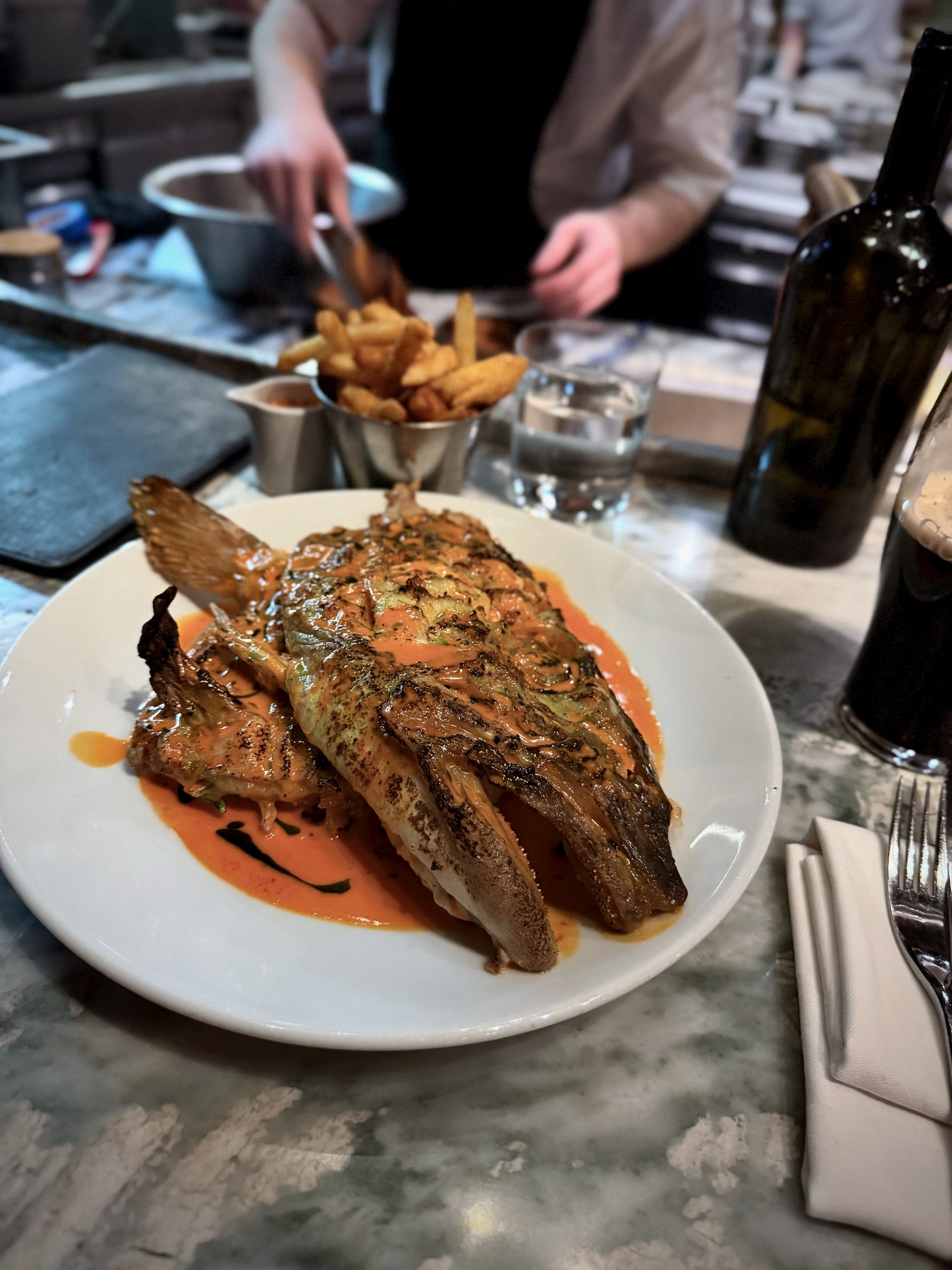
A structured food innovation process can turn an exciting kitchen idea into a repeatable commercial product. Trial a dish for two weeks, record sales and waste, then ask the team where production slows. A beautiful plate that takes 14 minutes to finish may need simplifying if the rest of the menu leaves the kitchen in eight.
Setting Realistic Revenue Baselines
Build revenue expectations from seats, opening hours, average spend and achievable table turnover. A 40-cover restaurant serving 30 guests at an average spend of £28 generates £840 per service before refunds, discounts and complimentary items. Using full capacity as the baseline would create a misleading picture from day one.
Finance teams weighing budgeting vs. forecasting distinguish between a fixed financial plan and a forecast updated as conditions change. That distinction is useful in hospitality, where bookings, weather and local events can alter demand quickly. Set conservative, expected and strong-sales scenarios, then compare actual weekly results with each one. This gives you an early warning when labour scheduling, purchasing or menu pricing needs attention.
Fiscal Governance in Shifting Markets
Review a small set of figures every week: sales, food cost, labour cost, average spend, waste and cash due over the next 30 days. Monthly accounts remain useful, but they may arrive too late to catch repeated over-ordering or a sudden drop in weekday covers.
Clear approval limits also reduce expensive surprises. A head chef might approve routine purchases within an agreed amount, whilst major equipment or supplier changes require a second review. This approach supports faster decision-making and operational efficiency without removing accountability.
Watch trends across several weeks instead of reacting to one poor evening. If a signature dish sells well but its margin keeps falling, check portion control, supplier prices and prep waste before removing something customers genuinely value.
Preserving Customer Experience Under Pressure
Cost control becomes visible to guests when portions shrink without explanation, service slows or familiar dishes disappear too often. Protect the elements customers notice most, including food quality, cleanliness, timing and helpful staff. Savings should come first from weak processes, excess stock and menu items that sell rarely.
A menu engineering review can reveal where to act. Group dishes by popularity and contribution margin, then improve or replace those that perform poorly on both measures. If three desserts require separate ingredients but attract few orders, a tighter selection could reduce waste whilst improving consistency.
Speak openly with the team when changes are necessary. Front-of-house staff can explain seasonal substitutions confidently when they understand the reason, and kitchen staff often spot avoidable waste before it appears in financial reports.
Culinary ambition survives commercial pressure when each creative decision has a workable cost, service method and measure of success. The most useful test is simple: after a fortnight on the menu, the numbers and the team should both confirm that a dish deserves its place.