
How esports players eat at the highest level
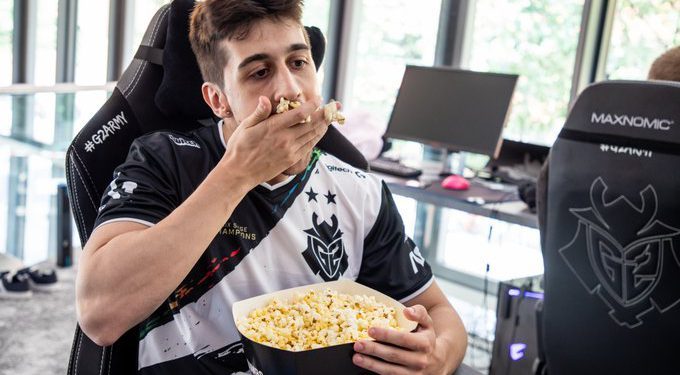
For years the picture of a pro gamer came with a can of energy drink and a pizza box. That picture was mostly accurate around 2013. It isn’t anymore, at least not at the top of the pyramid. Teams that pay six-figure salaries and fly rosters across three continents a year started asking a simple question: if a player’s job is reaction time and decision-making under stress, does breakfast matter? Turns out it probably does.
Counter-Strike and League of Legends organizations began hiring dietitians, sleep analysts, and physiotherapists in the late 2010s. The money that made that staffing possible came from sponsors, media rights, and a fan economy that now tracks team form the way football fans track injury lists. Esports crypto betting markets list CS2 and Dota 2 next to tennis, and that kind of attention pulls budget toward things nobody used to fund. Small line item, big curiosity.
What a Pro Player’s Day of Eating Looks Like
The honest answer: it varies more than any marketing page admits. But the shape of a structured day at a bootcamp tends to look something like this.
- Breakfast around 10 or 11 a.m., because practice blocks usually run late into the night. Eggs, oats, yogurt, fruit. Coffee, obviously.
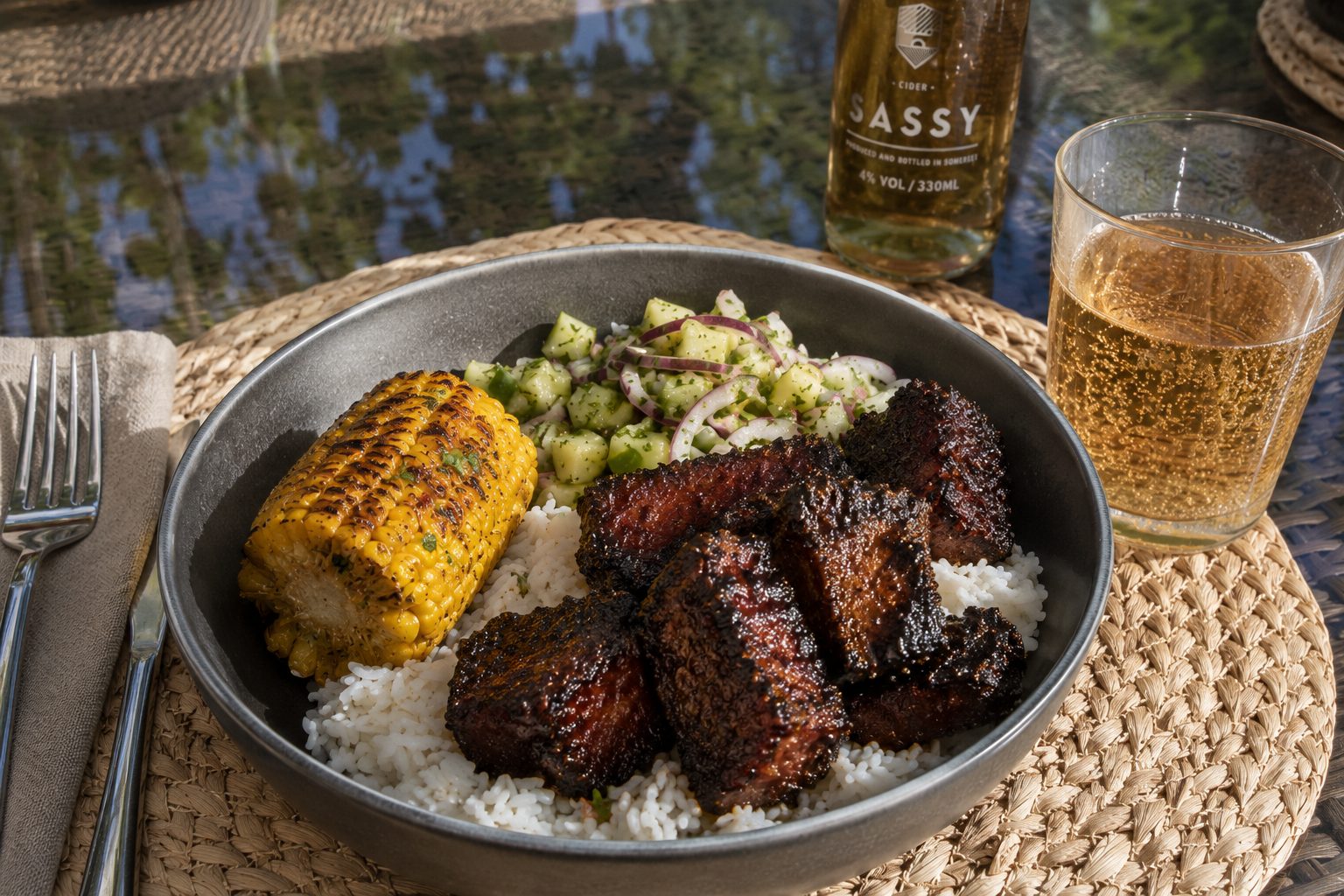
- A real sit-down lunch before the first scrim block. Rice or pasta, chicken or fish, a vegetable someone will complain about.
- Snacks placed on the table on purpose – nuts, bananas, dark chocolate – so nobody wanders to a vending machine mid-session.
- Dinner between blocks, kept lighter than lunch to avoid the heavy post-meal slump.
- Water. Constantly. Most performance staff care more about hydration than about any single food choice.
American League of Legends veteran Eugene “Pobelter” Park went public with his numbers a while back: roughly 2,300 calories a day, with eggs, sausage, and toast in the morning, chicken and rice at midday, and more chicken and rice at night. Not exotic. That’s the point. Esports burns very few calories compared to cycling or football, so the goal isn’t fuel volume. It’s steady blood sugar and no crash at hour six.
Astralis and the Danish Approach
Astralis, founded on January 18, 2016, is the org most often cited when people talk about esports performance science, and for good reason. The Danish team built out a staff that looked odd at the time: a sports psychologist (Lars Robl, previously with a special forces background), physiotherapists, a dietitian, a team doctor, a sleep analyst, and even opticians. Robl said in interviews that when he arrived, the players didn’t see themselves as athletes at all, and that shifting that self-image took years. In October 2021 the org expanded contracts with performance coaches Mikkel Hjuler and Signe Find into broader “360-degree” roles covering both physical and mental balance.
The nutrition piece there was never presented as a miracle. Staff described it as removing friction. If a player skips breakfast, plays nine hours, and eats one enormous meal at midnight, sleep suffers, and then focus suffers the next day.
What’s interesting is how much of it is logistical rather than nutritional. Getting five young men to eat lunch at the same time is a scheduling problem before it’s a dietary one.
NAVI, FaZe, and the Problem With Airports
Natus Vincere and FaZe Clan sit in a different situation. NAVI has operated with players relocated for war-related reasons since 2022, and FaZe runs an international roster that has included players from Bosnia, Norway, Latvia, and the United States. Language, taste, and religion all sit at the same table. Try designing one menu for that.
So the approach shifts toward habits instead of meal plans. Staff at multiple orgs have described the same set of small rules for tournament weeks.
- Eat the hotel breakfast even if the match is at 9 p.m., because skipping it means eating badly later.
- Bring your own snacks in hand luggage. Airport food is expensive and mostly pastry.
- Avoid new or heavy dishes on match day, which sounds obvious until a team lands in Rio and someone tries everything.
- Keep caffeine timing consistent rather than escalating through the day.
- Ask the venue what food will actually be available backstage, since some arenas offer almost nothing between series.
The Three-Hour Delay Nobody Plans For
Here’s a detail people outside the scene rarely think about. A best-of-three can run long. Overtime happens. A team scheduled to play at 4 p.m. may not walk off stage until 10:30 p.m., and by then the venue catering is cold or gone. Players who didn’t pack anything end up eating whatever is open near the hotel at midnight. That single gap, repeated over a two-week Major, does more damage than any debate about protein sources.
Anyone who has waited in a Katowice loading area at 11 p.m. knows the vending machine is the real opponent.
Energy Drinks and the Sponsor Contradiction
This part gets awkward. Energy drink brands have funded esports for over a decade, and players are often contractually visible with a can on the desk. Meanwhile the performance staff hired by the same org would rather they drank water and used measured caffeine.
Most teams settle into a quiet compromise. Caffeine gets treated as a tool with a dose, not a beverage habit. Sugar-free versions appear more often. And staff generally push the cutoff earlier in the evening, because a player who can’t sleep until 4 a.m. is a worse player tomorrow.
Does anyone fully resolve this? Not really. The sponsorship money is real and the sleep debt is real.
Supplements Seen Most Often
Reporting and interviews across CS2, League, and Valorant orgs point to a short, fairly boring list. No one is running a laboratory.
- Caffeine, sometimes as tablets for precise dosing instead of drinks.
- Omega-3 fatty acids, which come up constantly in esports research alongside general cognitive and inflammation claims.
- Vitamin D, especially for Northern European rosters who barely see daylight in winter.
- Creatine, which has a growing body of research around cognitive fatigue, not only muscle.
- Basic multivitamins, mostly as insurance for players with narrow diets.
Some organizations have gone further and hired a chef outright. Counter Logic Gaming did this in North America, which at the time seemed extravagant and now reads as sensible. Excel Esports in the UK went the structured route instead, with performance manager Simon Bayer running individual training plans alongside dietary guidance, including two gym sessions and a few cardio sessions weekly.
The Gap Between Tier One and Everyone Else
Below the top ten or fifteen organizations, most of this disappears. A tier-two roster sharing a rented house in Belgrade does not have a dietitian. Players cook for themselves, badly, or order in. Academic work on the subject keeps finding the same thing: many competitive players eat worse than non-gamers of the same age, with low vegetable intake and irregular meals.
And that’s the part worth sitting with. The famous teams get written about because they’re unusual, not because they’re typical.
Astralis staff themselves have said they’re still scratching the surface, and that some early decisions had to be rethought. Ten years in, esports nutrition looks less like a science and more like a set of habits that happen to be supported by science. Eat on a schedule. Don’t play hungry. Sleep, then everything else.
The energy drink on the desk isn’t going anywhere. But somewhere behind that desk, there’s usually a bowl of almonds now.