

A 1970s murder mystery night, a Polish-inspired table and the rye bread recipe that stole the show
Written by Guest Blogger: Felicity Mason
Mid-January has a very particular feeling to it. The chaos of Christmas has finally faded, the decorations are back in their boxes, and normal life begins to reassert itself. Just as the evenings threaten to become a little flat, an invitation landed that promised something far more interesting than another quiet night in.
A murder mystery.
Not just any murder mystery either, but one set in 1977 at the fictional Boogie Land Nightclub, a world of disco balls, flared trousers and suspicious dance moves. Characters were assigned, costumes planned and, before long, the group chat was alive with excitement.
I would be attending as Fran C Footwork, a professional disco dancer from Poland. My husband Darren took on the role of John Revolting, an American disco dancer. The scene was set. The soundtrack was obvious. And then came the inevitable question.
What are we eating?
Feeding a Murder Mystery: A 1970s Canapé Challenge
The solution came courtesy of a stroke of genius from my sister-in-law. Every guest would bring a dish inspired by their character’s home country, with a nod to the 1970s, the golden age of the canapé.
There were rules, of course.
No cooking at the venue.
No doubling up on dishes.
And despite its apparent global popularity in the 1970s, it was agreed that man cannot live by cheese and pineapple hedgehog alone.
As the group chat filled with ideas, excitement grew… along with a certain level of pressure. Fran C Footwork was Polish. My brother-in-law and his family are Polish. Expectations were quietly high.
So the question became: what does a Polish disco dancer bring to a 1970s murder mystery?
Looking to Poland for Inspiration
A little research quickly revealed that food in 1970s Poland was shaped by availability and tradition rather than excess. Bread was fundamental. Meat was precious. Pickles, preserves and simple spreads were essential.
And honestly? That sounded perfect.
After conversations with Polish colleagues and a deep dive into traditional recipes, a plan formed. Fran C Footwork would arrive with a Polish-inspired charcuterie board, anchored by something homemade and meaningful.
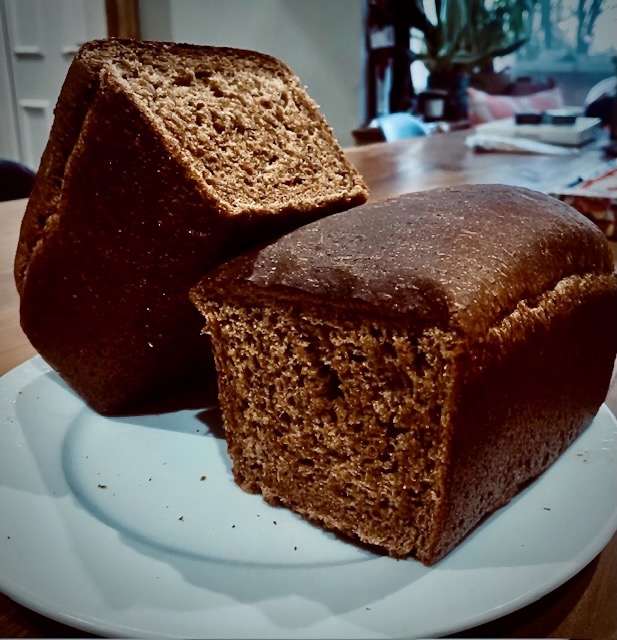
At the centre of it all would be traditional Polish rye bread, dark, flavourful and deeply satisfying.
The Star of the Table: Polish Rye Bread (Chleb Żytni)
Polish rye bread, or Chleb Żytni, is the kind of loaf that doesn’t shout for attention but quietly commands it. Dense yet tender, subtly sweet yet unmistakably savoury, it’s the perfect foundation for cured meats, pickles and generous slabs of butter.
The version made for Boogie Land was adapted from a traditional Polish recipe, using accessible ingredients while staying true to its roots, swapping molasses for black treacle and keeping that unmistakable depth of flavour.
This wasn’t just bread. It was the anchor for the entire table.
Traditional Polish Rye Bread (Chleb Żytni)
Ingredients
- 400g rye flour
- 100g strong white bread flour
- 7g dried yeast
- 1½ tsp salt
- 1 tbsp black treacle (or molasses if you have it)
- 1 tbsp caraway seeds
- 300ml warm water
- 1 tbsp vegetable oil (for greasing)
Method
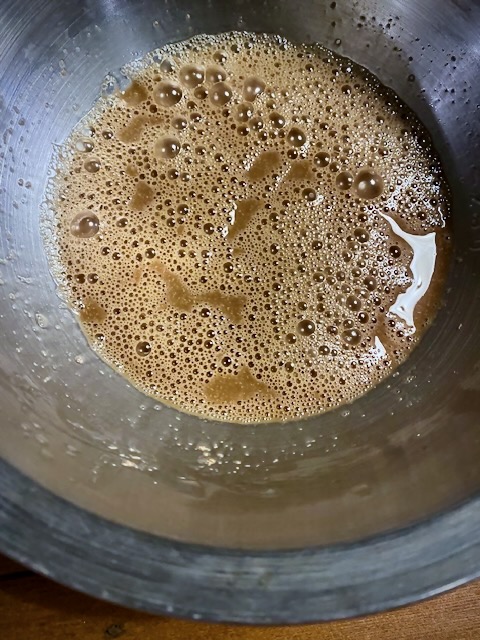
- In a jug, mix the warm water with the black treacle until fully dissolved. Sprinkle in the yeast, stir gently and leave for 5–10 minutes until lightly frothy.
- In a large bowl, combine the rye flour, white bread flour, salt and caraway seeds. Pour in the yeast mixture and stir until you have a sticky, heavy dough. Rye dough will always feel denser and less elastic than wheat-based dough, that’s exactly what you want.
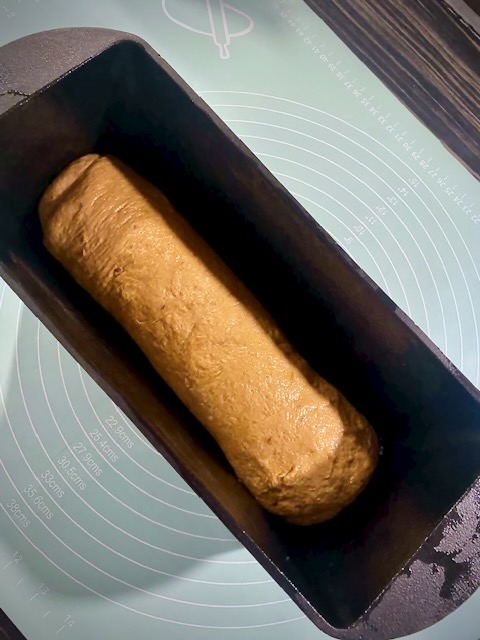
- Lightly oil a loaf tin and scrape the dough into it, smoothing the top with a wet spoon. Cover loosely with a clean tea towel and leave in a warm place for around an hour. Don’t expect it to double in size, a modest rise is perfect.
- Preheat the oven to 200°C (180°C fan). Bake the loaf for 40–45 minutes until dark, firm and hollow-sounding when tapped.
- Remove from the tin and allow to cool completely on a wire rack before slicing. This step is essential, rye bread continues to set as it cools.
How to Serve
This bread is made for sharing. Serve it thickly sliced with salted butter, alongside cured meats and pickles, or as the base for open sandwiches. It also works beautifully toasted with eggs or smoked fish and freezes exceptionally well, making it ideal for entertaining.
A small but important note: caraway seeds are toxic to dogs, so keep this loaf well out of reach of any four-legged guests.
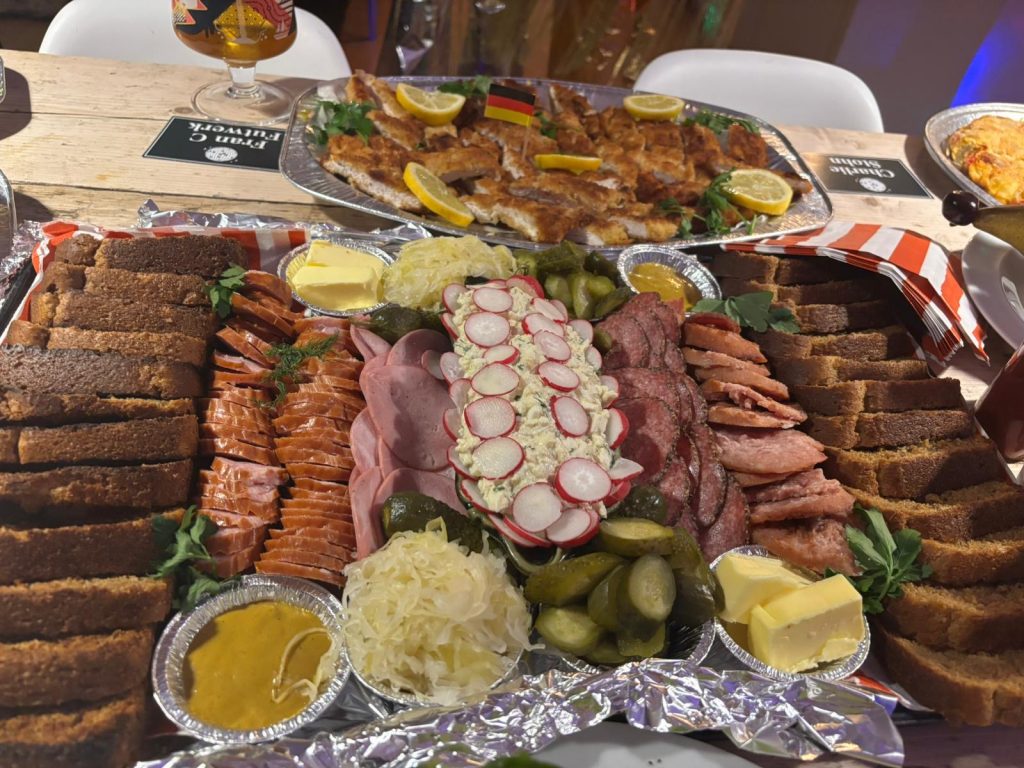
The Night Unfolds
By the time the evening began, the table was a thing of beauty. A true international spread, filled with nostalgia and generosity.
American BBQ sausages.
German schnitzel and potato salad.
Welsh cakes.
Spanish tortilla.
And of course, homemade sausage rolls, vol-au-vents and the legendary cheese and pineapple hedgehog, delivered by guests who fully embraced the spirit of the night.
As the food disappeared, the mystery deepened. Accusations were made. Clues were examined. Drinks flowed. Performances grew increasingly theatrical. Plates were revisited, bread torn and shared, and suspicions quietly formed.
Who had murdered the DJ of Boogie Land?
A Disco-Fuelled Plot Twist
One by one, we cast our votes, locking eyes across the table as only family can. Snacks were grabbed. Tension built.
And then: the reveal.
It was me.
Fran C Footwork herself. A glitter-ball-fuelled descent into disco-driven ambition. No one messes with Fran when there’s a trophy at stake.
Credit where it’s due: Jackie Took (Alex) was the only one to see through the lies.
Final Thoughts
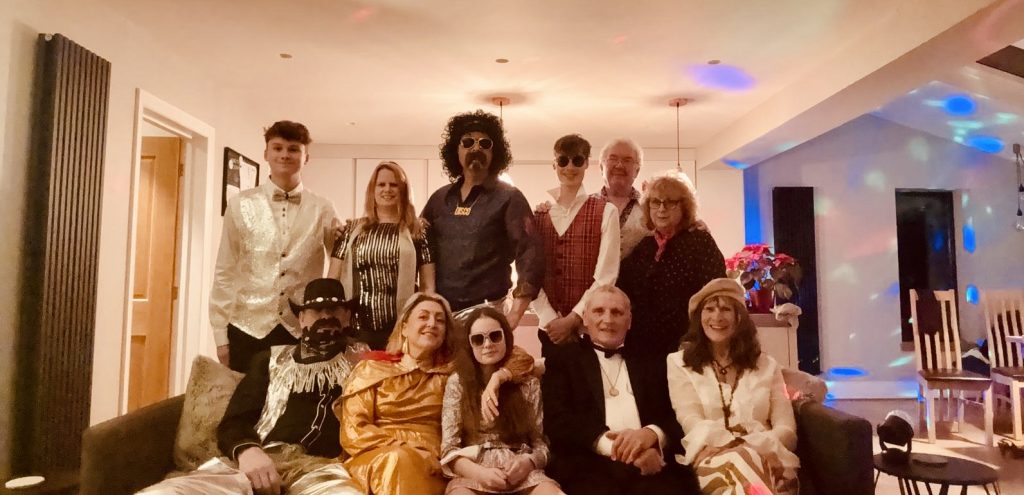
What made the evening so memorable wasn’t just the murder mystery. It was the way food became part of the story. Each dish reflected a character, a heritage and a moment in time.
The Polish rye bread became more than something to eat. It became a centrepiece, a talking point and a reminder that simple, traditional food often delivers the greatest comfort.
If you’re planning a night that’s a little different, one that brings people together, encourages laughter and turns food into part of the narrative, a murder mystery evening is well worth trying.
And if you need one reliable dish to anchor the table?
Make the bread.
Because sometimes, the simplest loaf can steal the show, even in a room full of suspects.