
Understanding South Carolina Accident Liability for British Tourists
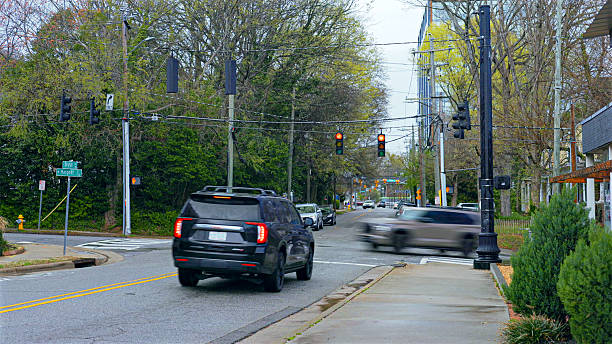
A British tourist who crashes on Kings Highway in Myrtle Beach faces South Carolina tort law, not UK law. South Carolina operates under a pure at-fault liability system. The driver responsible for a collision bears financial liability for every resulting injury and property loss, regardless of the driver’s country of origin.
Most South Carolinians don’t consider this until a rental car with an unfamiliar driver crosses their lane on U.S. 501. The legal process is manageable, but only if the injured party understands which mechanisms apply and where the traps lie.
The Rental Car Is the Insurance Policy Most British Tourists Carry
British drivers visiting South Carolina mostly arrive in rental vehicles collected at Myrtle Beach or Charleston airports. A UK personal auto insurance policy does not generally cover driving on US roads, which makes the coverage selected at the rental counter especially important.
Standard rental agreements include basic liability meeting South Carolina’s minimum limits: $25,000 per person for bodily injury, $50,000 per accident and $25,000 for property damage. Those minimums often fall short when a collision causes serious injuries. If the tourist declined supplemental liability insurance, the injured party may have to pursue the tourist personally for losses above the policy limit.
Rental Coverage Gaps
Collision damage waiver coverage protects the tourist against the cost of damage to the rental vehicle. Supplemental liability insurance protects third parties. Many visitors choose the collision damage waiver without realising that it does not increase the amount available to compensate somebody they injure.
UK Travel Insurance Limits
Some UK travel insurance policies include third-party liability protection abroad. The wording and limits vary, however, and the available cover may be insufficient for a serious road accident. The policy documents and insurer should be checked promptly to confirm whether the collision is covered and how much protection applies.
What the Injured Party Must Collect at the Scene
Evidence gathered immediately after a crash can determine whether an insurer accepts liability. Photograph the vehicles, their positions, the road, traffic signals, weather conditions, skid marks and any debris before the scene changes.
Brent Stewart, a personal injury lawyer in Columbia, South Carolina, and an AV Preeminent®-rated attorney, advises: “Take photos of every vehicle involved, from every angle. Get the damage photos, license plates, insurance information, and road conditions. If there are skid marks or debris, photograph it. Get names and phone numbers of all witnesses. These people move, forget, and become unreachable. If you have their information right from the scene, your attorney can follow up later.”
S.C. Code Ann. § 56-5-1230 requires every driver involved in a collision to provide their name, address and vehicle registration. When the other driver is visiting from Britain, also record the UK driving licence number, the rental agreement and the rental company’s contact and insurance details.
Horry County records approximately 9,459 collisions annually, with U.S. 17 accounting for around 2,181. A police report provides an independent record of the drivers, vehicles, statements and conditions and is especially valuable when one party will soon leave the country.
South Carolina Courts Hold Jurisdiction Over Every Crash Inside State Lines
The location of the crash determines which law applies. South Carolina courts have jurisdiction over a collision that takes place in the state even when the at-fault driver lives in the United Kingdom and returns home shortly afterwards.
S.C. Code Ann. § 15-3-530 gives injured parties three years from the date of the accident to bring most personal injury and property damage claims. Missing that deadline can prevent recovery entirely.
Modified Comparative Fault Governs How Damages Get Divided
South Carolina follows a modified comparative negligence rule. A claimant’s compensation is reduced by their percentage of responsibility, but a claimant found 51% or more at fault recovers nothing.
Insurance adjusters understand the importance of that threshold and may try to shift blame to the injured driver. Photographs, witness details, police records and medical evidence help establish how the crash occurred and protect the value of the claim.
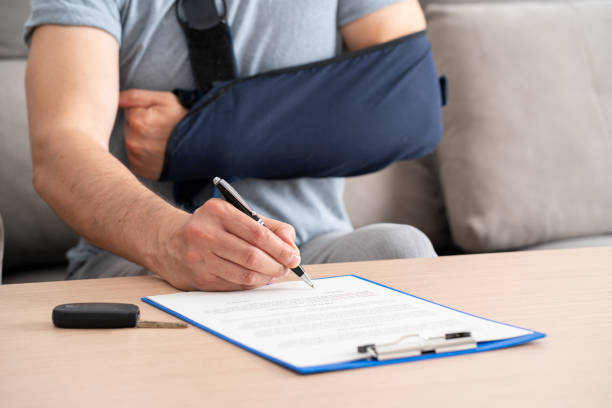
Serving a British Defendant Who Has Already Returned Home
South Carolina’s nonresident motorist statutes allow legal papers to be served through the Director of the South Carolina Department of Motor Vehicles, who acts as the nonresident driver’s agent and forwards notice of the proceedings.
The three-year filing period continues to run after the tourist returns to Britain. An injured person should not delay a claim while trying to locate the driver abroad, particularly when the rental company and its insurer can be identified from the scene evidence.
Accidents involving an international driver or foreign rental coverage can get complicated. For individuals facing a tourist-related crash claim in Columbia, South Carolina, Stewart Law Offices can review the available insurance, evidence and recovery options. The firm can be contacted on (803) 743-4200 or visited at 10 Calendar Ct #100, Columbia, SC 29206, and its attorneys can travel to meet clients where appropriate.
Judgment Enforcement Abroad
A South Carolina court can enter a default judgment when a properly served defendant does not respond. Enforcing that judgment against assets in the United Kingdom requires separate proceedings. The United States is not a signatory to the Hague Convention on the Recognition and Enforcement of Foreign Judgments, so practical recovery usually depends heavily on locating applicable insurance.
South Carolina’s Mandatory UM Coverage Opens a Second Recovery Path
South Carolina auto policies include uninsured motorist coverage. If the visiting driver has no applicable liability insurance, the injured person’s own uninsured motorist protection may respond.
Underinsured motorist coverage is optional but can cover the gap when the at-fault driver’s policy is inadequate. For example, if a victim has $100,000 in losses and the rental policy provides only $25,000, underinsured motorist coverage may help address the remaining damages, subject to the policy terms and available limits.