
How Small Offline Details Make Food Businesses More Memorable
Food businesses put a lot of energy into flavour, service and presentation. Quite rightly, the product comes first. A good pie, a well-made coffee or a carefully packed box of brownies will always do more for reputation than any polished slogan.
Still, customers remember more than the taste. They notice how something is wrapped. They notice whether the menu is easy to read. They notice if a market stall feels welcoming or if a takeaway order arrives with a little care.
These small offline details can make a food business feel more considered without making it feel overly formal. For cafés, farm shops, bakeries, street food traders and independent producers, the aim is not to look corporate. It is to create a clear, familiar experience that customers recognise and want to return to.
Start With the Customer’s Journey
A useful way to think about branding is to follow the customer’s journey from first glance to final bite. For a café, that journey might begin with the sign outside, continue through the counter display, the menu, the payment area and the takeaway cup. For a farm shop, it might begin in the car park and continue through shelf labels, baskets, packaging and the receipt.
At each point, there is an opportunity to reduce confusion and add a little character. A handwritten chalkboard might suit one business. A clean printed menu might suit another. Neither is automatically better. The important thing is consistency.
If a customer has to ask where to queue, what is included in a meal deal or whether a product is suitable for gifting, the experience can feel less smooth. Clear signs, simple product labels and tidy displays do a lot of quiet work.
Make Packaging Part of the Experience
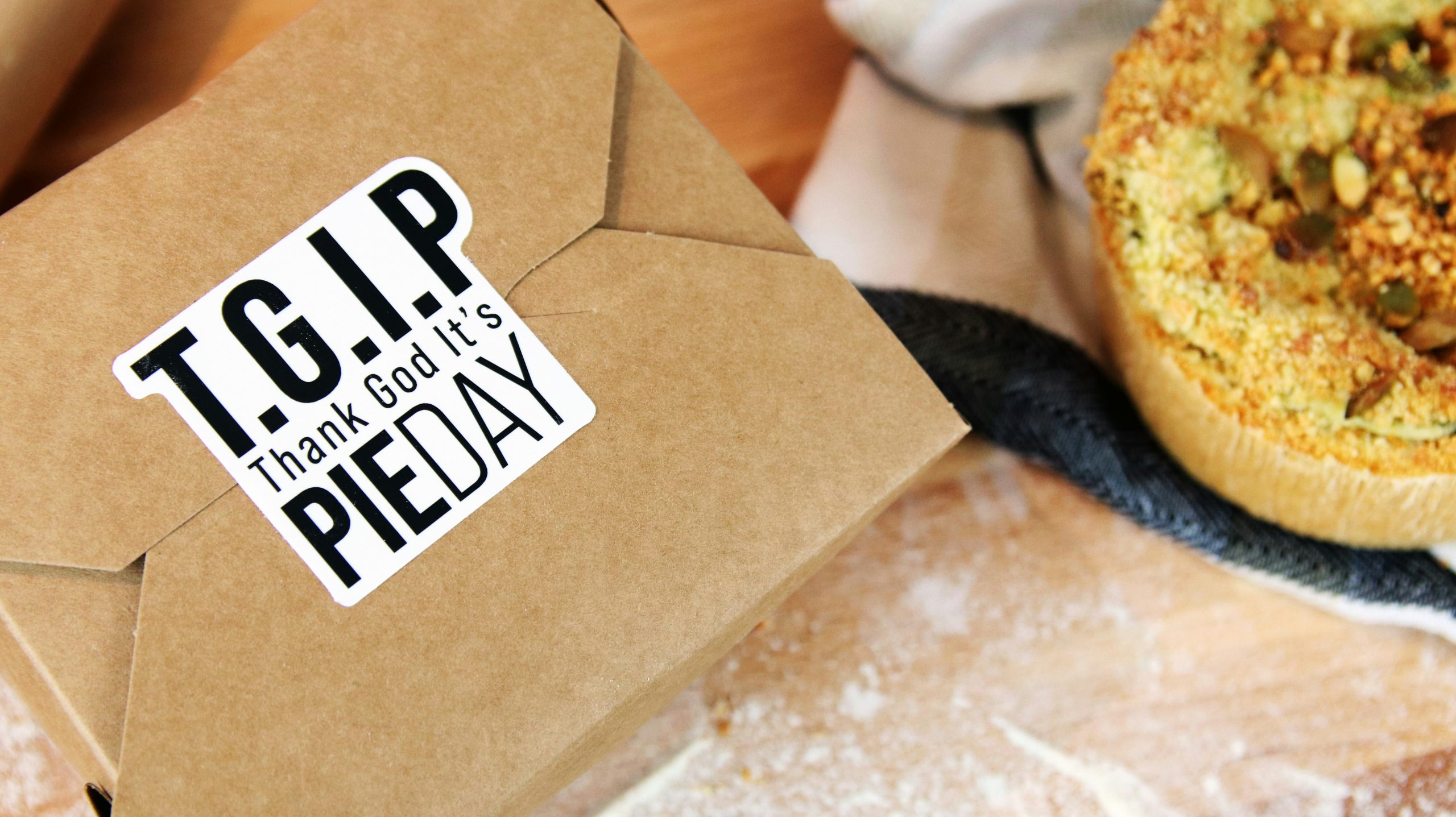
Packaging is often treated as a practical necessity, but it can also shape how customers feel about a purchase. A sandwich wrapped neatly in plain paper can feel fresh and simple. A box of cakes tied with a small label can feel giftable. A jar of chutney with a clean label and readable ingredients feels easier to trust.
For food businesses, packaging should always protect the product first. Grease resistance, portion size, temperature and food safety all matter. Once those basics are covered, small choices can support the wider feel of the business.
For example, a bakery might use simple stamped bags for bread and printed stickers for cake boxes. A local sauce maker might use consistent label colours across mild, medium and hot varieties. A deli might add short serving suggestions to packaging so customers know how to use what they have bought. These details are practical, but they also make the product easier to remember.
Think Beyond the First Purchase
Many food businesses focus on the moment of sale, but the customer experience often continues at home. A takeaway curry may be reheated the next day. A bottle of cordial may sit on a kitchen shelf for weeks. A bag from a farm shop may be reused for packed lunches or weekend errands.
That extended use is valuable because it keeps the business in the customer’s routine. It does not need to feel pushy. In fact, the most effective offline brand details are often the ones that are genuinely useful.
For farm shops, delis and bakery stalls, custom tote bags can be a practical way to package purchases while keeping the brand visible after market day.
The same principle applies to recipe cards, loyalty cards, reusable coffee cups and sturdy gift boxes. If the item has a purpose, it is more likely to be kept. If it is kept, the business has more chances to be remembered.
Use Local Character Carefully
Local identity can be a strong part of a food business, especially in places with a proud food culture. Yorkshire cafés, pubs, producers and markets often have plenty of genuine character to draw from.
The key is to avoid forcing it. A subtle mention of local suppliers, a map showing where ingredients come from or a short note about a family recipe can feel natural. Too many clichés can have the opposite effect.
A butcher using meat from nearby farms does not need a long speech on every label. A short, clear line may be enough. A bakery that uses local flour can mention it on a menu board or product tag. A street food trader might name dishes after familiar places, provided it fits the food and tone.
Local details work well when they are specific. “Made with rhubarb from Wakefield” says more than a general claim about local flavour. “Roasted in Leeds” or “baked fresh in Harrogate each morning” gives customers something concrete to remember.
Keep Menus and Labels Easy to Read
Design does not need to be complicated to be effective. In food settings, clarity is often more important than decoration. Customers want to know what something is, what it costs and whether it suits their needs. Small type, cluttered boards and vague descriptions can slow people down, particularly during busy service.
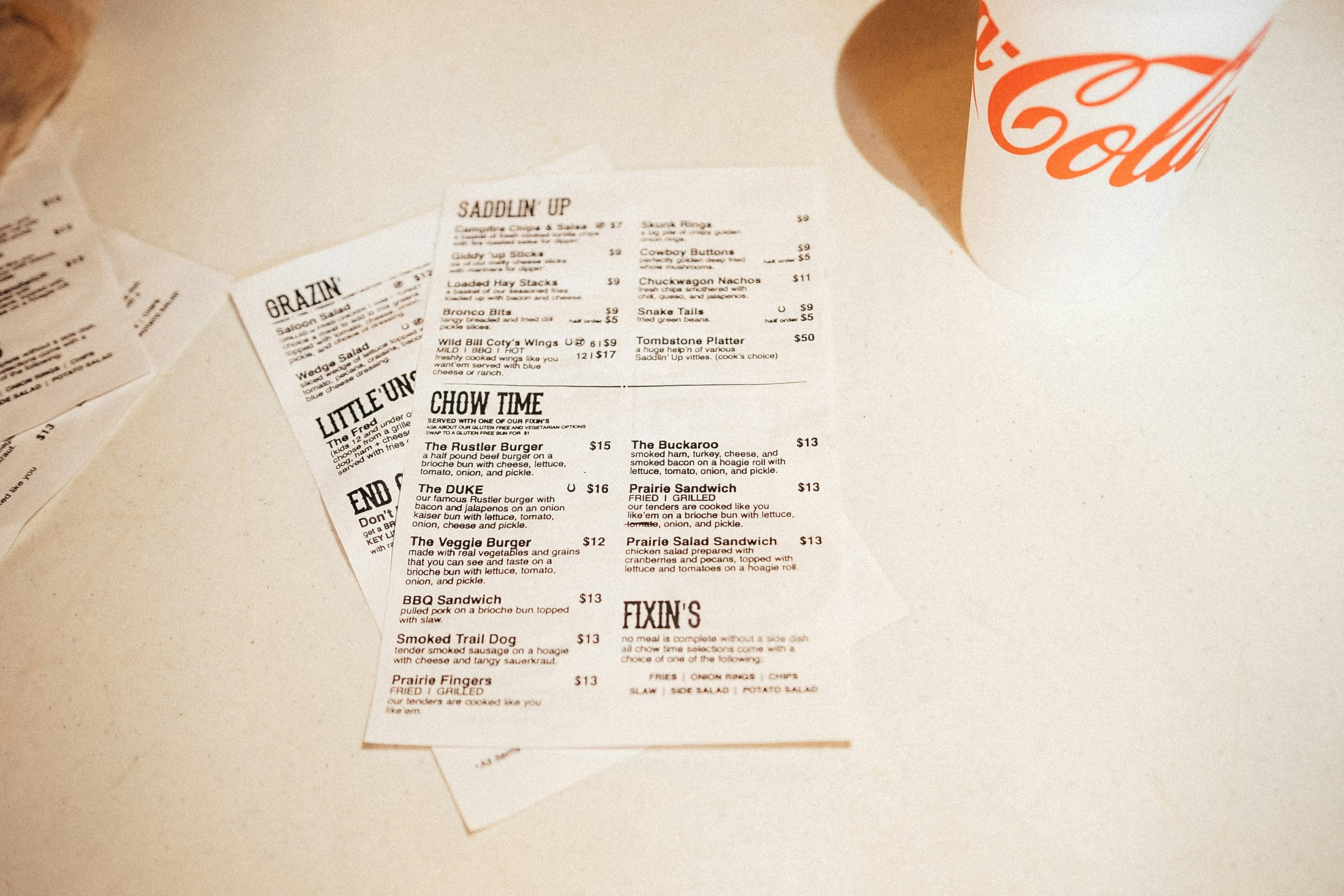
A good menu has enough personality to feel like part of the business, but enough structure to be useful. Grouping items clearly, showing prices consistently and marking dietary information in a simple way all help.
The same applies to labels. A farm shop shelf label should not make customers guess the price. A cake box should make it clear what is inside. A jar label should not hide important ingredients in tiny print. When information is easy to absorb, customers feel more confident buying.
Train the Team to Reinforce the Details
Offline branding is not only about printed items or packaging. Staff play a large role in how a business is remembered.
A warm greeting, a clear explanation of specials or a quick note on how to store a product can turn an ordinary transaction into a better experience. These moments do not need to be scripted, but they do benefit from shared standards.
For example, if a café offers a house blend, team members should know how to describe it in plain language. If a deli sells cheese boards, staff should be able to suggest pairings. If a bakery takes celebration orders, everyone should understand the basic process. This consistency prevents mixed messages. It also helps newer staff feel more confident.
Choose Details You Can Maintain
It is easy to get excited about new materials, packaging and displays. The harder part is maintaining them during busy weeks.
Before adding a new detail, it helps to ask a few simple questions. Can the team keep it stocked? Is it affordable in normal trading conditions? Does it slow service down? Does it make life easier for customers?
A beautifully wrapped product is only useful if it can be wrapped that way on a Saturday morning rush. A loyalty card is only worthwhile if staff remember to stamp it. A display sign only helps if it stays clean and up to date.
Food businesses often work with tight margins and limited time. The most realistic brand details are the ones that fit into daily operations rather than adding stress.
Conclusion
Memorable food businesses are not built from one grand gesture. They are built through repeated details that feel clear, useful and true to the people behind the counter.
A readable menu, tidy packaging, helpful signage, local touches and confident service all contribute to how customers remember a place. None of these details need to be expensive or elaborate. They simply need to support the product and make the experience feel easier.
For independent food businesses, that is often where lasting recognition begins: not with shouting louder, but with making every small customer moment feel more considered.