
Yorkshire Coast Fishing Heritage and the Ports That Shaped It
Bridlington lands more lobster than any other port in the United Kingdom. The figure is somewhere north of 350 tonnes a year in good seasons, more than Cornwall, more than Scotland, more than anywhere else on the British coastline. Most people outside East Yorkshire have no idea.
That single statistic is a reasonable starting point for understanding how thoroughly the Yorkshire coast is built on fish. The county’s industrial north and its agricultural plains are well known. The coast tends to get less attention.
It deserves more attention. The story of fishing in Yorkshire is also, in a quiet way, the story of how a stretch of North Sea coastline shaped everything from the food on local tables to the cultural identity of half a dozen towns.
Five Ports That Made the Yorkshire Coast
The county’s fishing heritage is concentrated in a handful of working ports, each with its own particular character and catch.
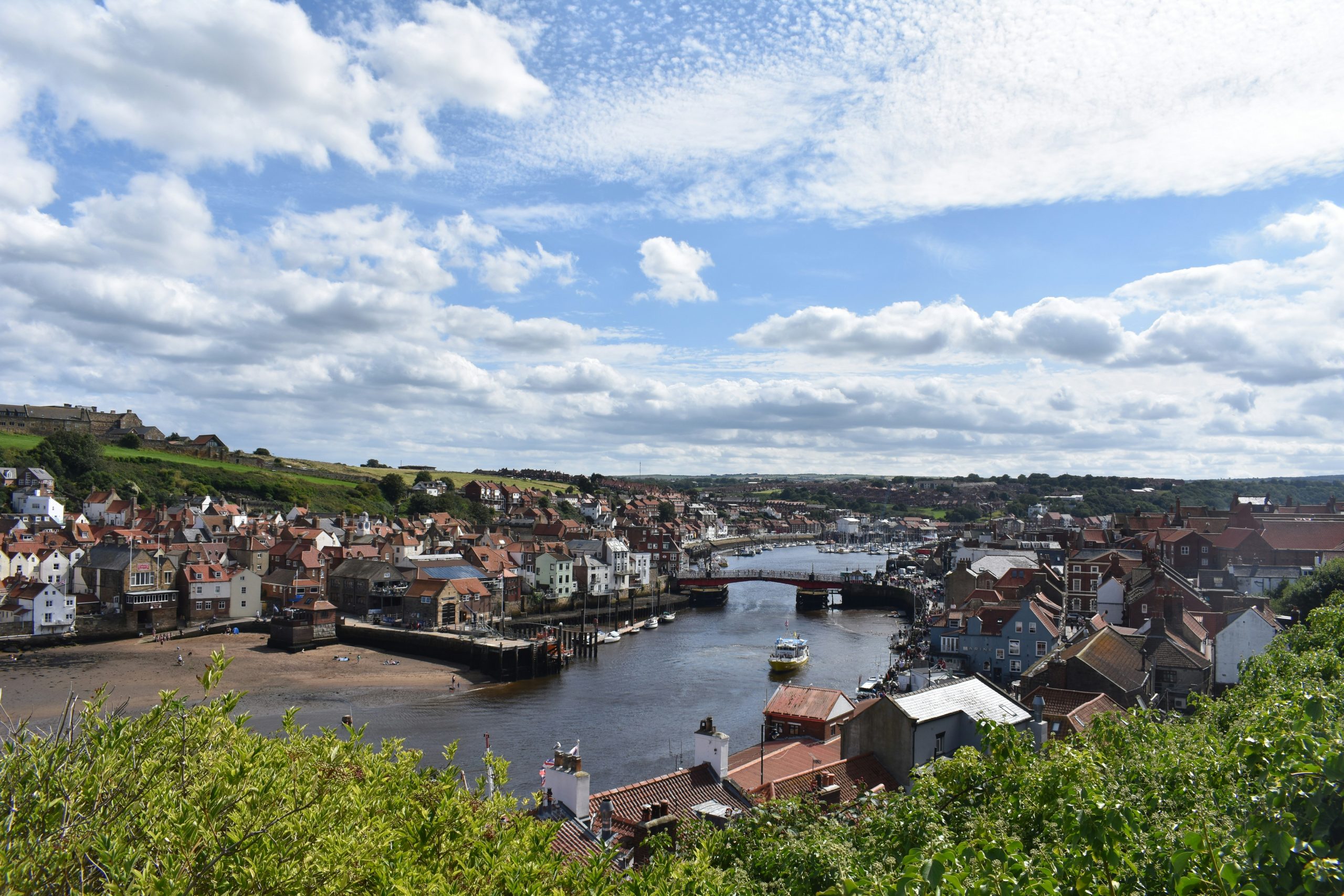
- Whitby. The most famous of the Yorkshire fishing ports, partly because of Captain Cook and partly because of Dracula, but mostly because the harbour has been working continuously for centuries. The Whitby kipper, smoked at Fortune’s since 1872, is one of the most recognisable Yorkshire foods in the country.
- Bridlington. The lobster capital figure mentioned above. The port also handles substantial brown crab and whitefish landings, and the working harbour sits directly next to the seafront, which is rare for British coastal towns.
- Scarborough. Less of a major commercial port now than it was a century ago, but still a working fishing harbour with a small fleet of inshore boats. The fish market by the lighthouse runs on weekday mornings.
- Filey. The smallest of the surviving working ports, with cobles (the traditional flat-bottomed Yorkshire fishing boats) still launched directly off the beach. Filey is one of the few places where you can still see this practice as a regular working activity rather than a heritage display.
- Hull. Once the third largest fishing port in the world. The deep-sea trawler industry that operated out of Hessle Road collapsed in the 1970s after the Cod Wars with Iceland, but the legacy of that period is still visible in the city’s culture and identity.
Why the Coast Matters Less Than It Should
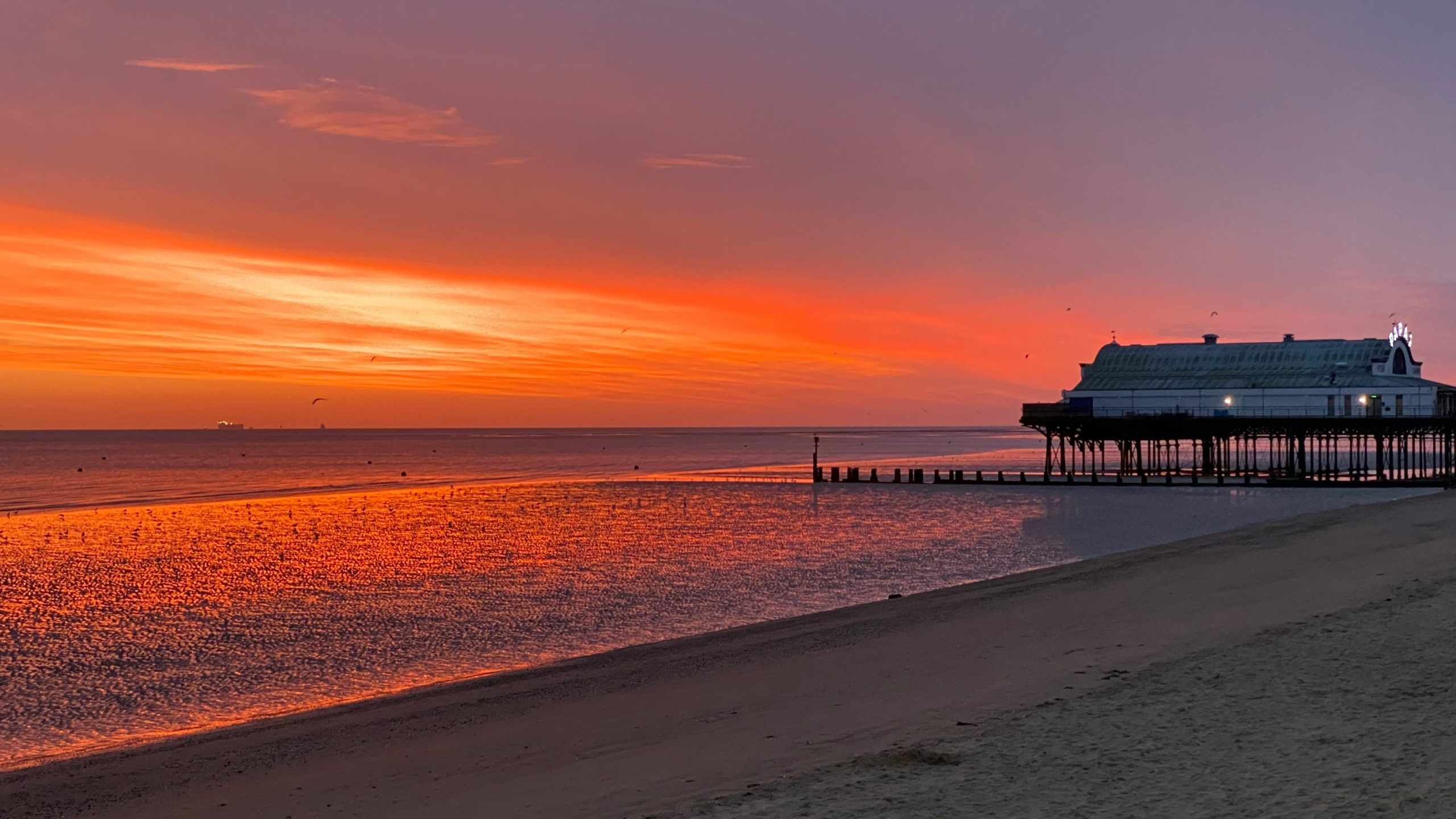
Yorkshire’s identity in the popular imagination skews heavily inland. The Dales, the Moors, Leeds and Sheffield, the textile towns of the West Riding. The coast tends to appear in the national picture as a holiday destination first and a working maritime economy second.
That is a slight disservice to a coastline that has been earning its keep for the better part of a thousand years. Whitby was a major Anglo-Saxon religious centre and a working port in the medieval period. Hull was an internationally significant maritime city before the Industrial Revolution moved Yorkshire’s centre of gravity inland.
The Yorkshire Post’s ongoing coverage of the county’s coastal communities has done some of the better journalism on how these places are faring now. The picture is mixed. The fishing industry is smaller than it was, the demographic profile of the coastal towns is older than the inland average, and the seasonal dependence on tourism is a real economic challenge.
But the working harbours are still there. The fish is still landed.
The kippers are still smoked at Fortune’s. The cobles are still launched off Filey beach. The thing the coast is famous for is, against the odds, still happening.
Fish in Yorkshire Culture
The cultural footprint of the fishing tradition extends well beyond the harbours themselves. Yorkshire’s relationship with fish is most visible in the food, where the county does some things better than anywhere else in Britain.
Proper fish and chips is one of them. The combination of North Sea cod or haddock, beef dripping in the fryer, and a particular kind of unfussy presentation has been refined at places like the Magpie in Whitby, the Lighthouse in Scarborough, and dozens of village chippies inland.
Smoked fish is another. The Whitby kipper, the smoked haddock used in proper kedgeree, the cold-smoked salmon at some of the better Yorkshire farm shops. Yorkshire smoking traditions go back centuries and are still operating in a small handful of independent businesses.
The shellfish category is where Bridlington’s lobster credentials come in, alongside the brown crab landed at the same port. Yorkshire shellfish is exported across the UK and to the continent, even if relatively little of it is eaten locally in restaurants.
The Fishing Theme in Wider Culture
Fishing as a cultural image has travelled well beyond Yorkshire and well beyond commercial fleets. The figure of the angler at the pier, the small boat on a calm morning, the patience of the catch, are recognisable images globally. They turn up in literature, in film, and increasingly in entertainment formats designed for short attention windows.
Casual mobile games and slot formats have picked up the imagery extensively, often with cartoonish exaggeration that has little to do with actual fishing. UK-licensed platforms list dozens of fishing-themed games, with Fishin’ Frenzy online being one of the more recognisable examples in that category. The aesthetic borrowing from genuine fishing culture is loose enough to be more comic-book than coastal town, but the imagery has clearly become portable.
There is a small irony in all of this. The actual Yorkshire coast, where commercial fishing is still a working industry rather than a stylised theme, sits a long way removed from the cartoon versions that dominate the wider culture.
Both exist. They occupy very different worlds.
The Coast Today
For anyone planning a trip up the Yorkshire coast, the working fishing heritage is one of the more rewarding things to pay attention to. Standing on the harbour wall at Bridlington when the boats come in.
Watching the cobles being winched up the beach at Filey at the end of a tide. Eating a proper portion of fish and chips at the Magpie in Whitby while looking at the abbey on the hill.
These are not heritage performances put on for visitors. They are still what those towns actually do. The Yorkshire coast is one of the few places in Britain where the working fishing industry has held on into the present day, and that fact is worth recognising before it changes further.
Bridlington will probably still land more lobster than anywhere else in the UK next season. Whitby will probably still smoke its kippers. The cobles will probably still launch off the Filey beach.
The Yorkshire coast keeps doing what it has done for centuries, quietly, while the rest of the county gets the attention.